BLUE OCEAN STRATEGY
Quarter-inch drill bits are selling well doesn’t necessarily mean customers want quarter-inch drills.
I use Blue Ocean Strategy to keep teams focused on customer value, not feature competition. The drill-bit example is a reminder that customers rarely want the product itself—they want the outcome it delivers.
In practice, this framing helps me align stakeholders by shifting discussions from “what features should we add?” to “what job is the customer trying to get done, and what value components matter most?” Once that’s clear, we can deliberately increase the value drivers and reduce the unnecessary ones to create a differentiated, efficient offering.
WHAT IS THE BLUE OCEAN STRATEGY?
Optimizing Value Components to Meet Customer Needs
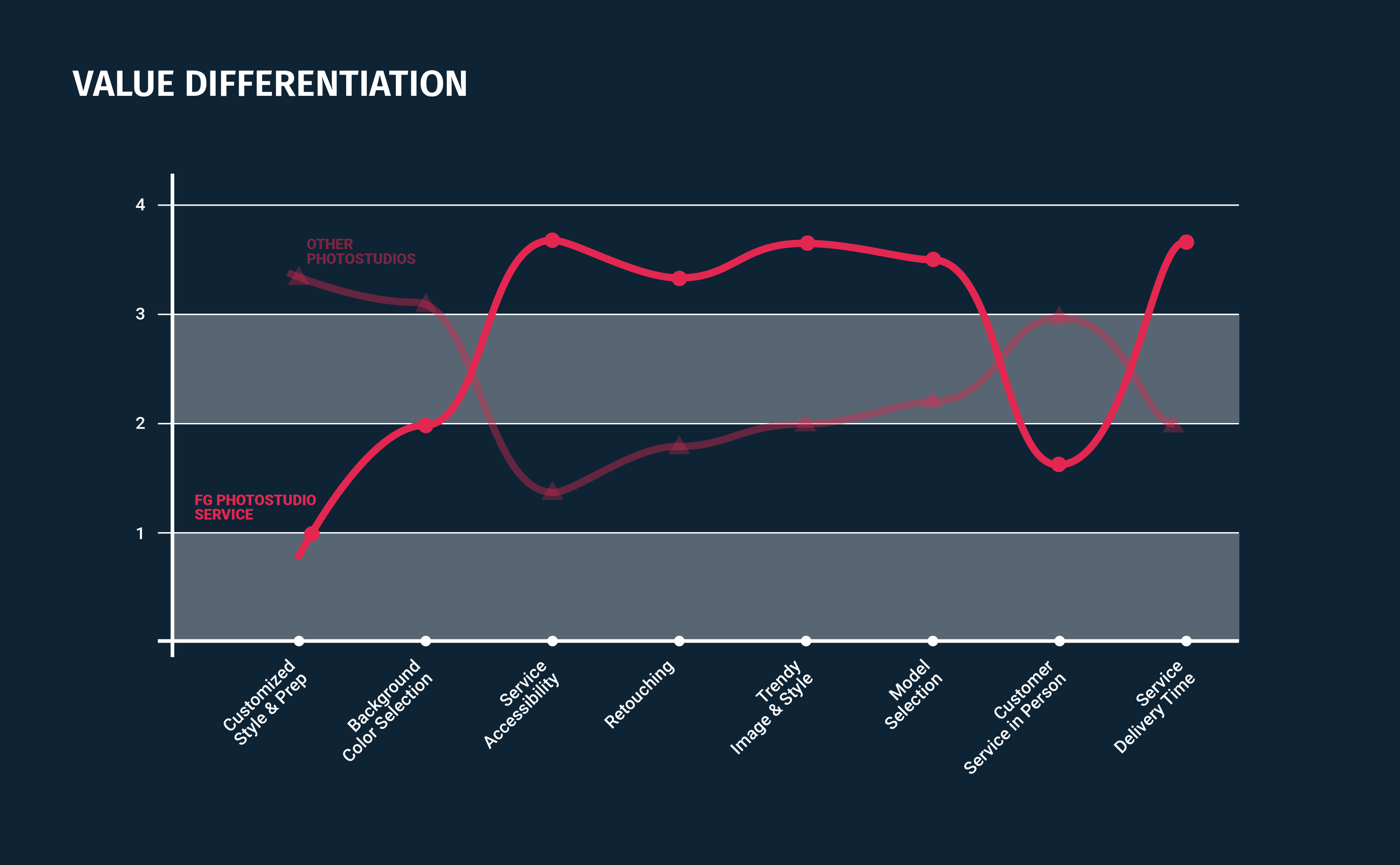
Blue Ocean Strategy starts by stepping outside a single product category and looking at the full set of options(values) customers consider to solve the same problem. For example, when Southwest Airlines redesigned its short-haul experience, it compared alternatives like buses, car rentals, and other airlines. That comparison made the real value components clearer—fast boarding, frequent point-to-point flights, and reasonable pricing—so Southwest optimized what mattered most to its target customers.
This is the core method: analyze the value components across existing market options (price, comfort, time, convenience, safety, and more), then design an offering that fits a specific customer segment’s priorities. The goal isn’t simply to study competitors’ products—it’s to understand the decisions customers make when they try to solve their problem.
HOW DO I APPLY THE BLUE OCEAN STRATEGY?
Designing Solutions Based on Customer Values, Not Just Features
I learned this lesson through a product development project where I initially misapplied Blue Ocean Strategy. I focused on making the product “different” through features—improving portability and reducing shipping cost—thinking that would create a cost-effective advantage. But I overlooked what the customers and users truly valued.
The result was a product that didn’t stand out in terms of value, which forced us to spend more on marketing to compensate. That experience taught me a critical rule: features and price should support value, not replace it. Before scaling production or launching a service, the value proposition must be aligned with real customer needs—otherwise the market will always feel expensive to win.