F.G. PHOTO STUDIO
How can FashionGo make on-trend product photos easy and affordable for Sellers?
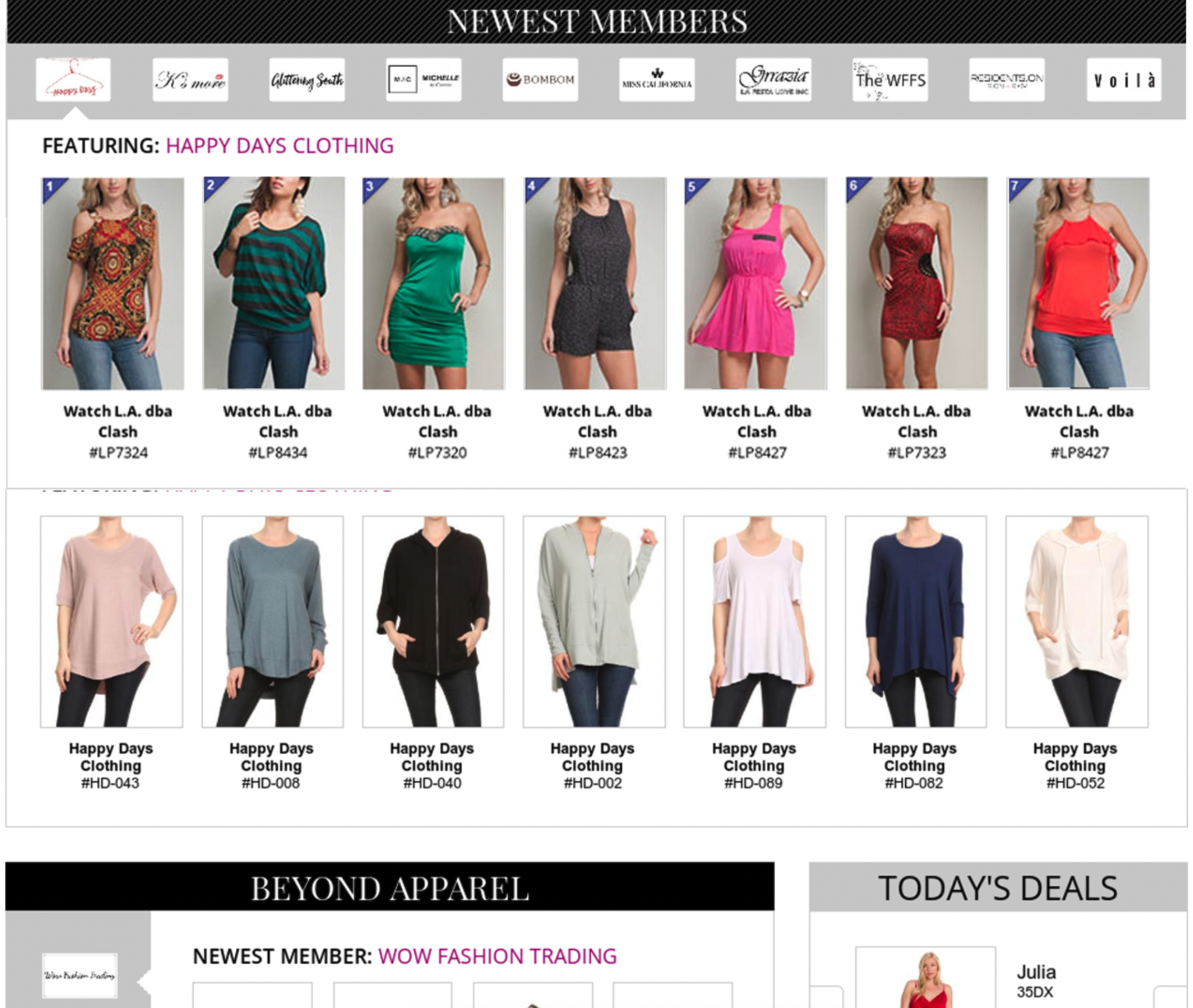
FashionGo’s marketplace relies on strong product imagery to earn buyer trust, but many small and mid-sized sellers lack in-house photo capabilities. Traditional shoots were often $2,000+ per session, location-bound, and difficult to coordinate due to manual processes. As a result, low-quality photos hurt the platform’s look and feel and weakened the buying experience. FashionGo needed to lead with trend-forward, high-quality standards to consistently control marketplace quality, strengthen brand trust, and expand customer touchpoints.
How can FashionGo improve
the seller buying experience by offering
vendors a new photography service?
PRODUCT
Background
FashionGo’s marketplace success depends on product imagery, but most sellers lack in-house capability to produce consistent, on-trend photos. Outsourcing was common, yet the experience was often expensive and difficult to navigate due to manual processes and unclear pricing. This project was needed to turn product photography into an accessible platform service that sellers could use quickly and confidently. As listing quality varied widely, buyers hesitated to purchase and smaller vendors struggled to compete—creating a direct risk to conversion, perceived trust, and seller retention.
Problem
Many small and mid-sized FashionGo vendors struggled to produce trendy, high-quality product images. Traditional photo services were costly (often $2,000+ per session), hard to access for sellers outside major cities, and required heavy coordination—making it difficult to maintain strong visuals and compete online.
Solution
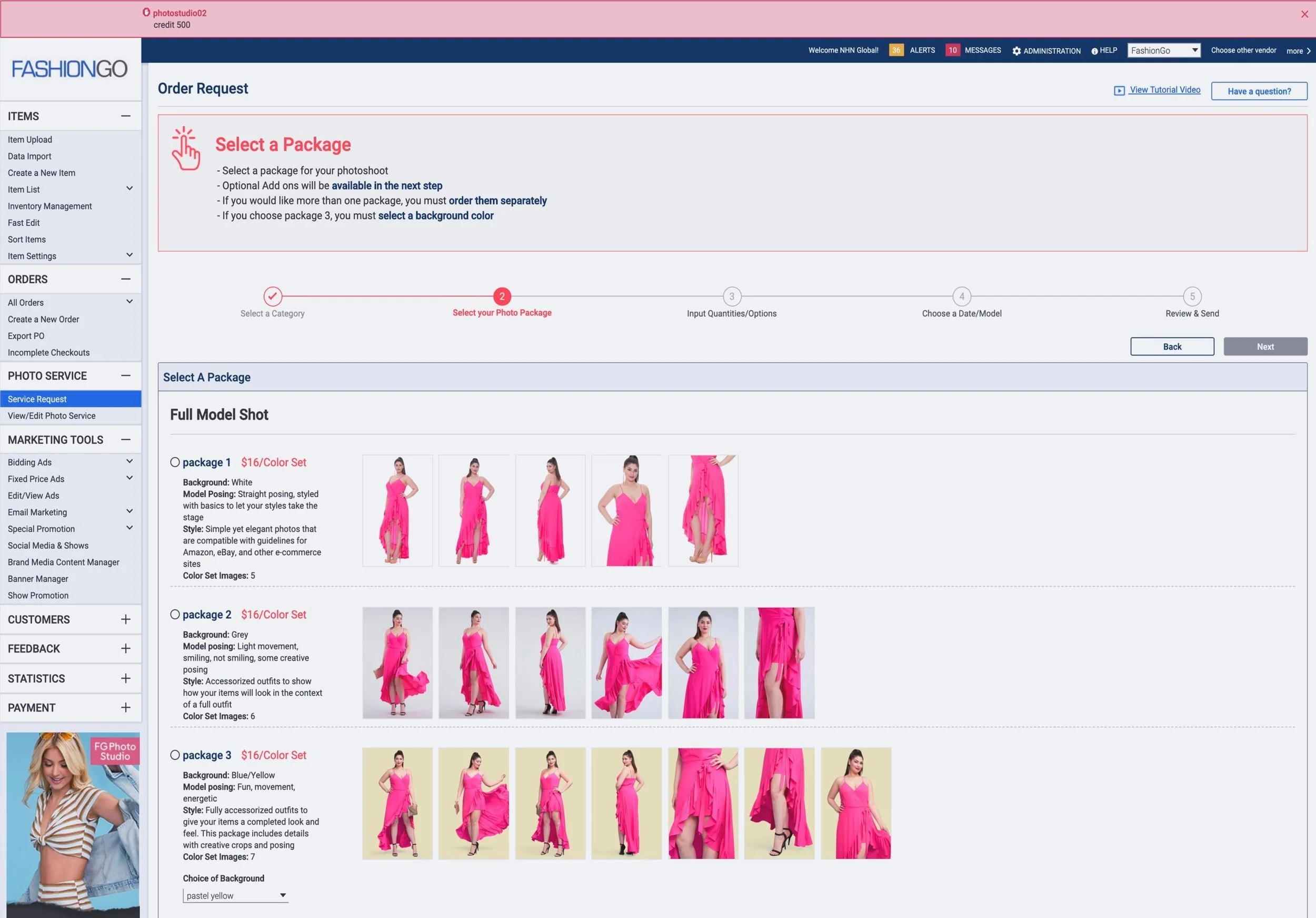
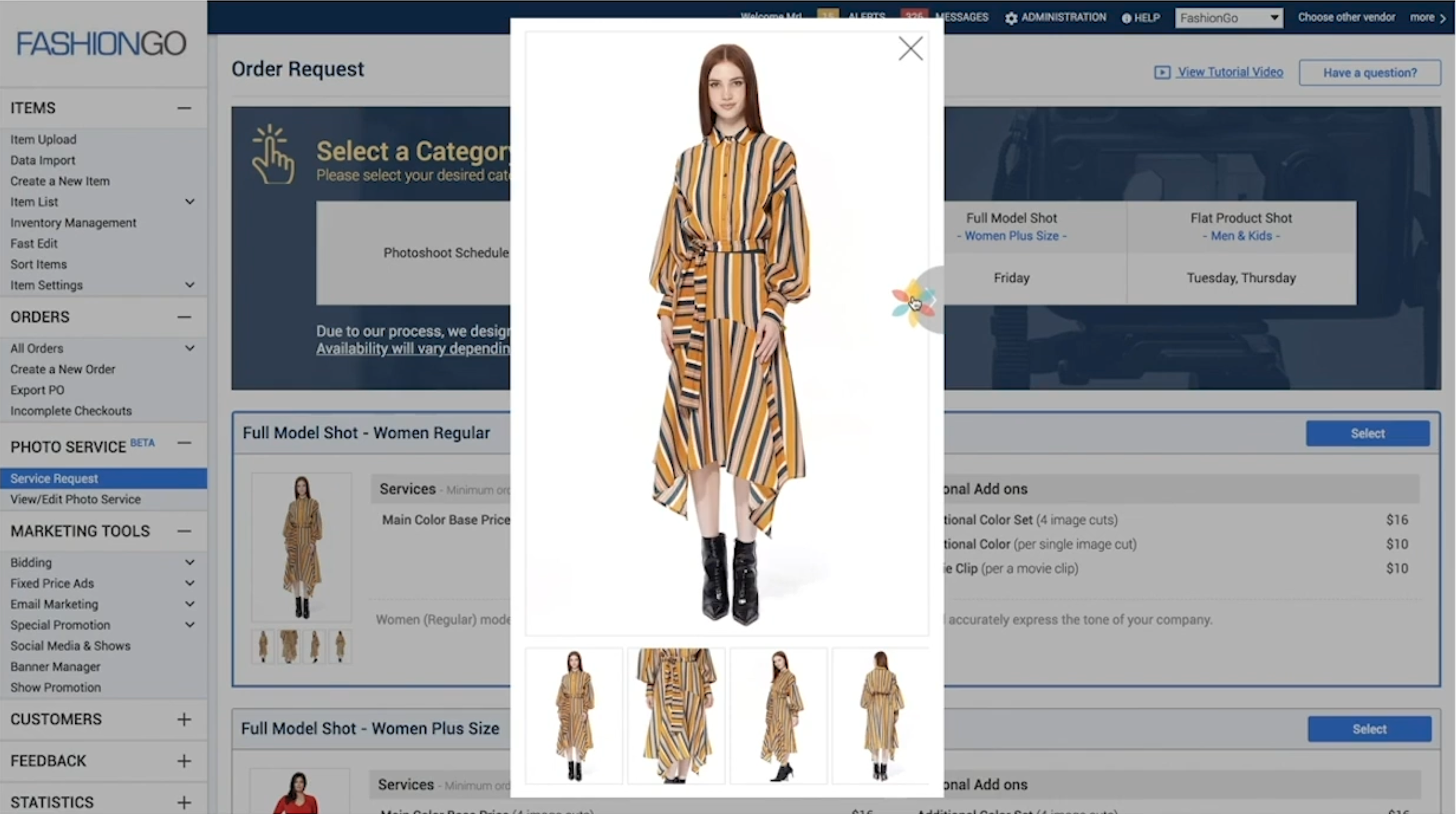
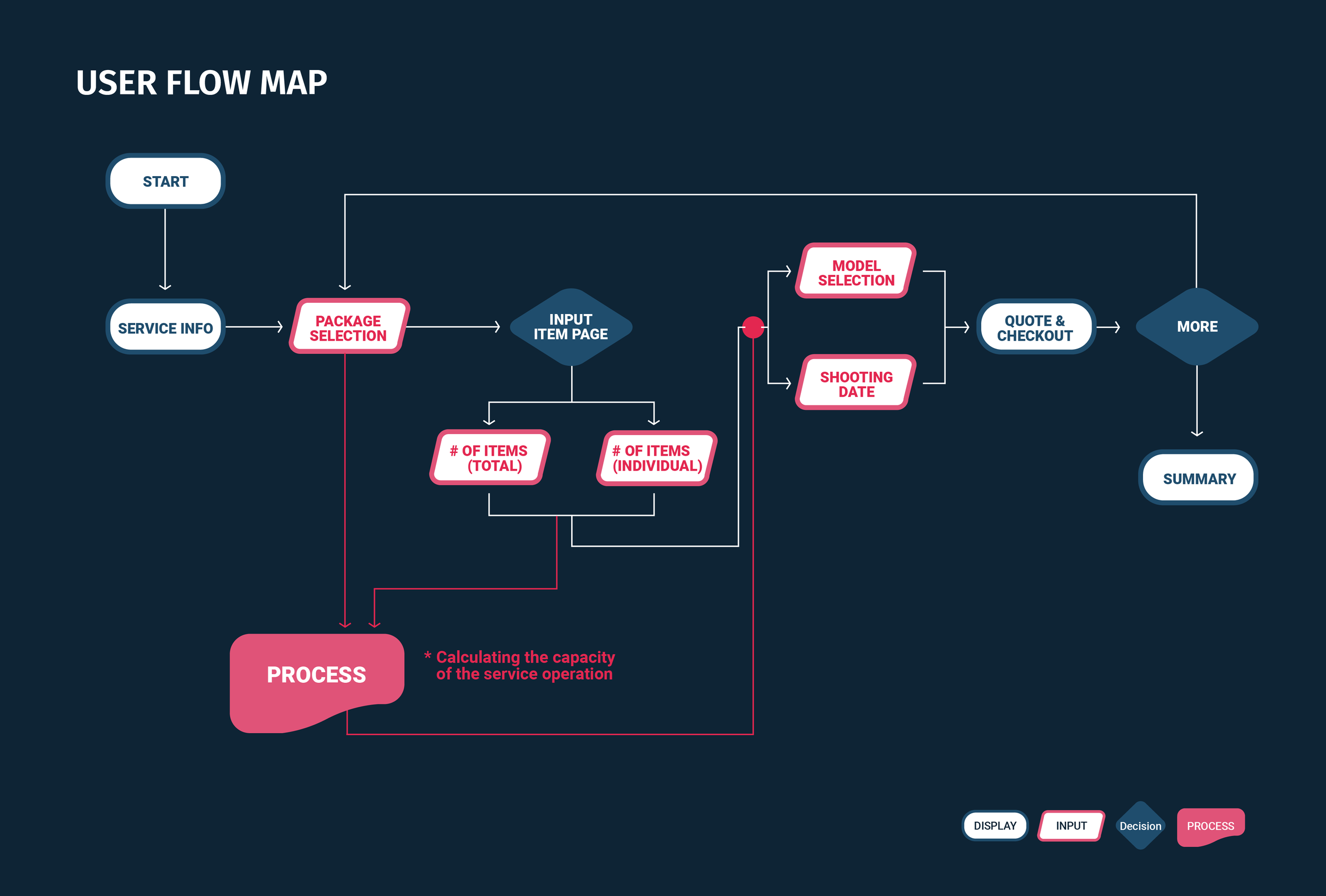
Built and launched FashionGo Photo Studio, a platform-native photography service designed for fashion e-commerce. Sellers could complete the entire flow inside the vendor admin—browse models, select shoot dates, and receive instant quotes—making ordering faster and more predictable. The differentiated value was combining trend-aligned quality with frictionless access and transparent pricing, so premium visuals became attainable for smaller vendors.
STRATEGY
01. What to Achieve
Frame Question
How can we help sellers get on-trend product photos quickly and affordably?
Outcomes
Raise marketplace image quality standards across FashionGo Platform
Support buyer acquisition by improving product visuals and perceived trust
Strengthen seller retention by making FashionGo the default partner for product imaging
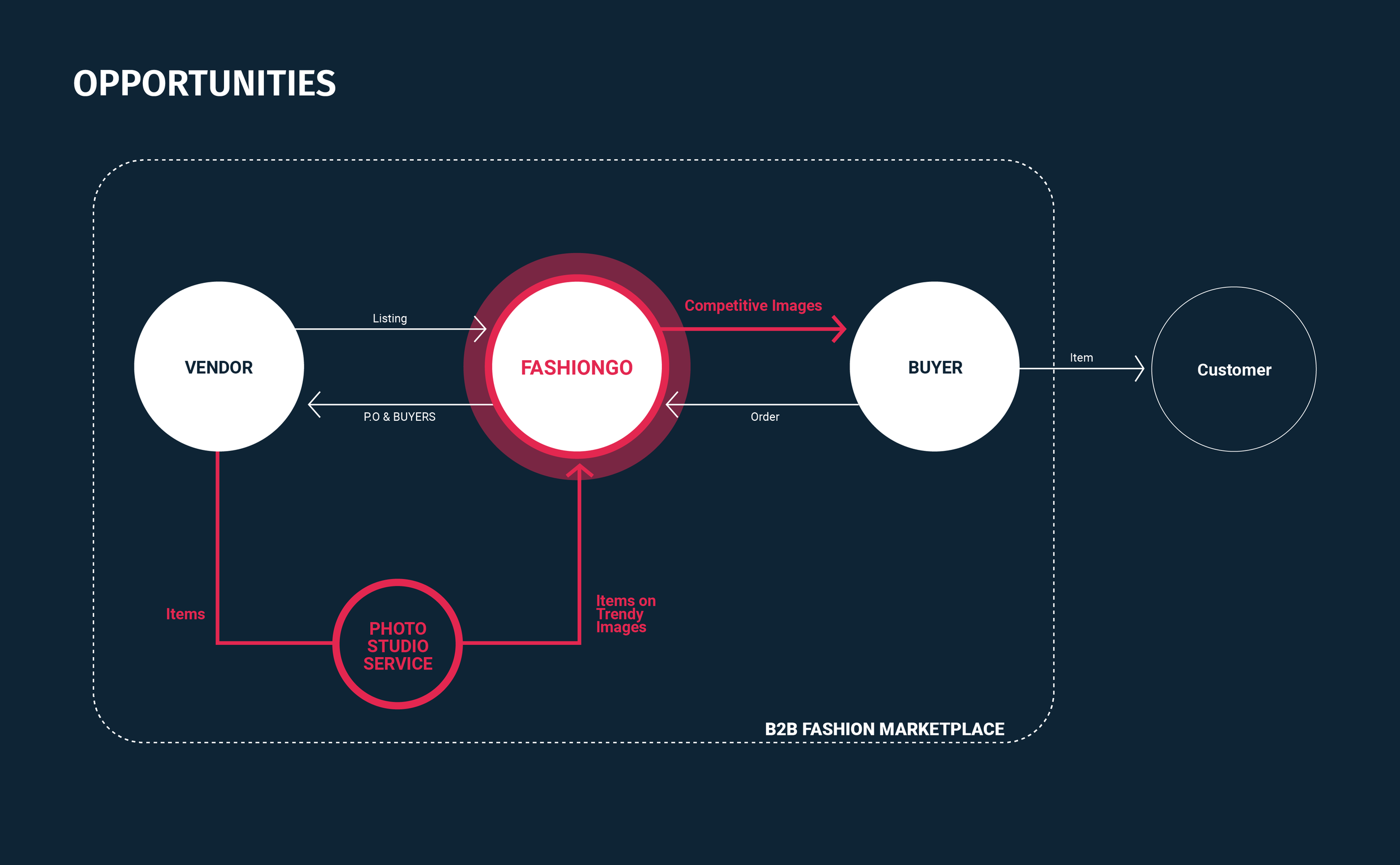
02. Where to Play
Target: vendors without in-house photography resources, especially outside major fashion hubs
Focus: the end-to-end ordering experience (model selection → scheduling → quote → order submission)
Priority needs: brand-fit models, fast turnaround, clear pricing, minimal coordination overhead
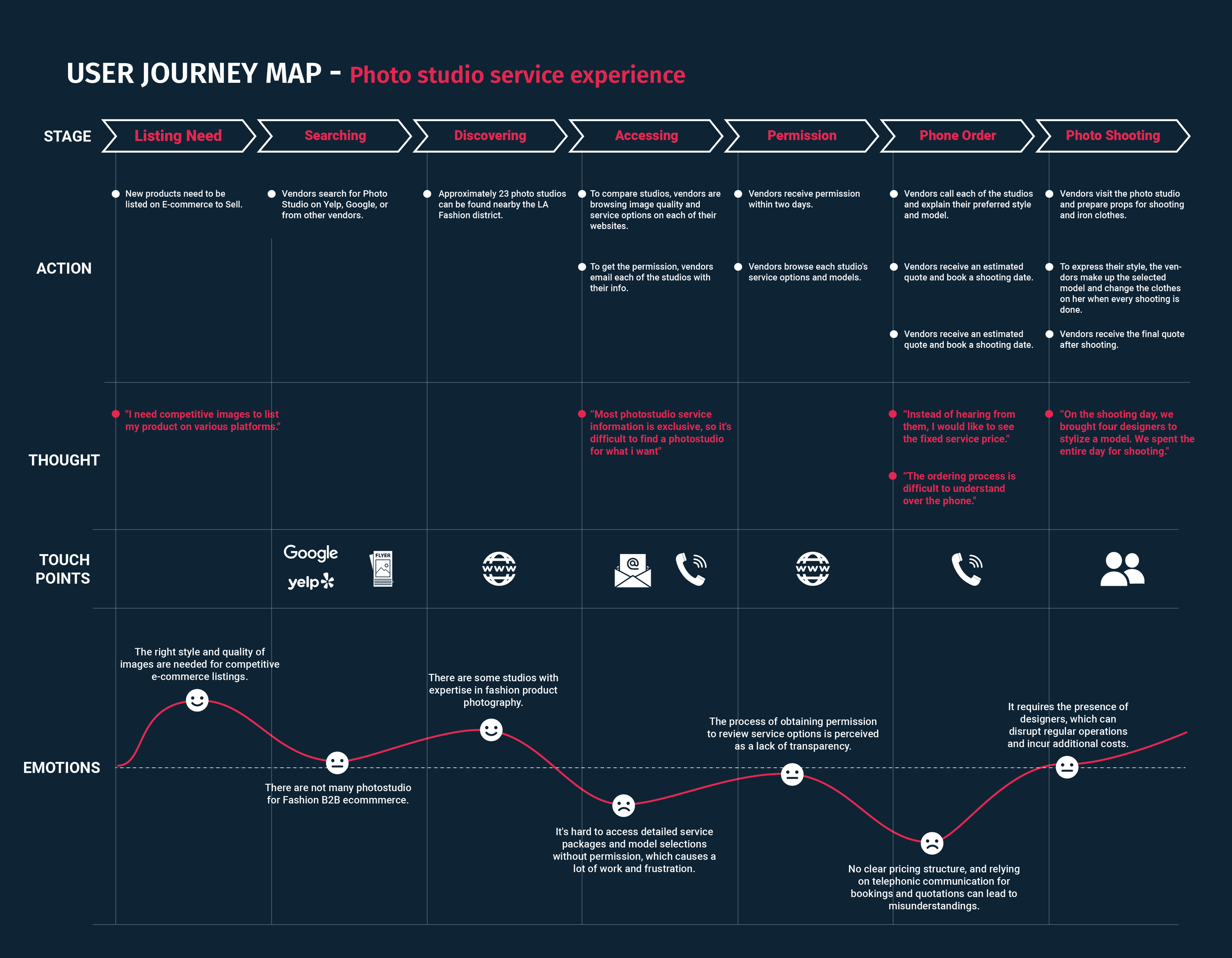
03. How to Win
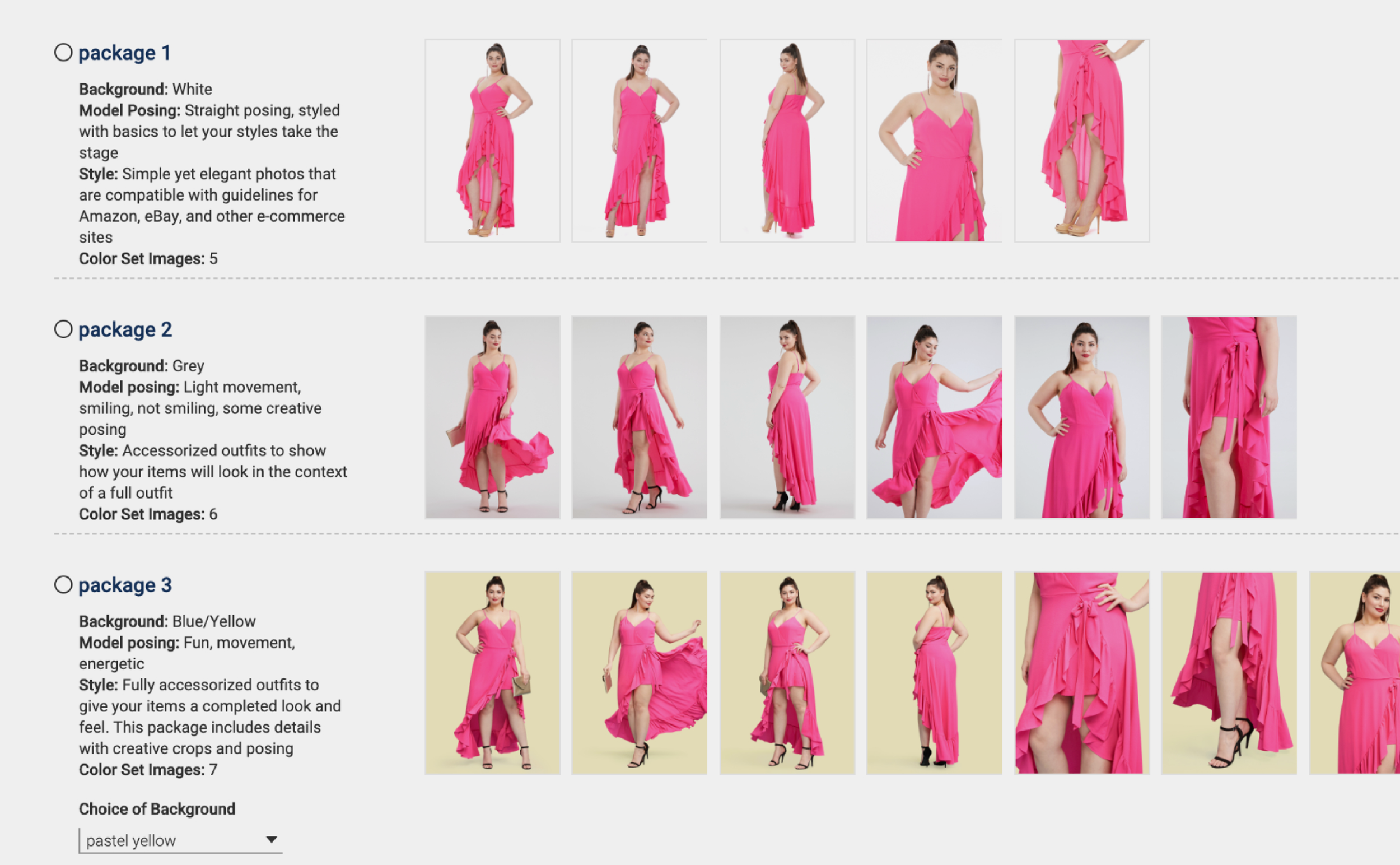
Affordable access to diverse model selection: Sellers can choose from a wide range of models that match their brand identity—without paying premium studio rates or spending time sourcing models themselves.
Fast, predictable ordering with instant quotes: Sellers get clear pricing upfront and can book shoots quickly, reducing back-and-forth coordination and helping them launch products on time.
Less operational disruption: By removing manual studio communication and unclear workflows, sellers spend less time managing shoots and more time running their business.
04. Capabilities to Implement
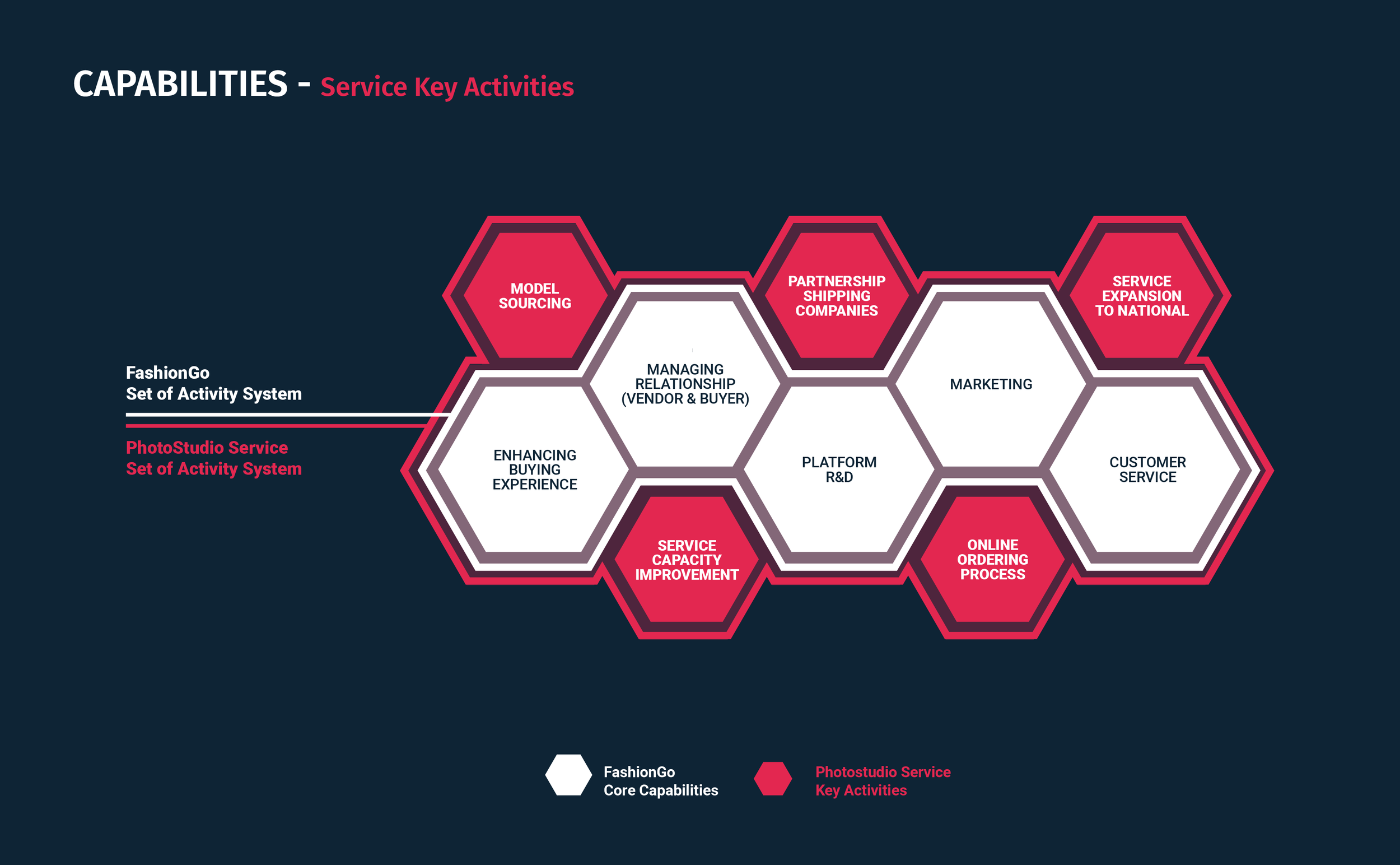
Build a simplified ordering UX with clear terminology, sequencing, and information hierarchy
Scale operational capacity to handle higher daily order volume
Partner with model agencies to expand model options aligned to different brand styles
Enable broader coverage through shipping/logistics partnerships
Use FashionGo marketing channels to drive awareness and adoption
05. Management System to Grow
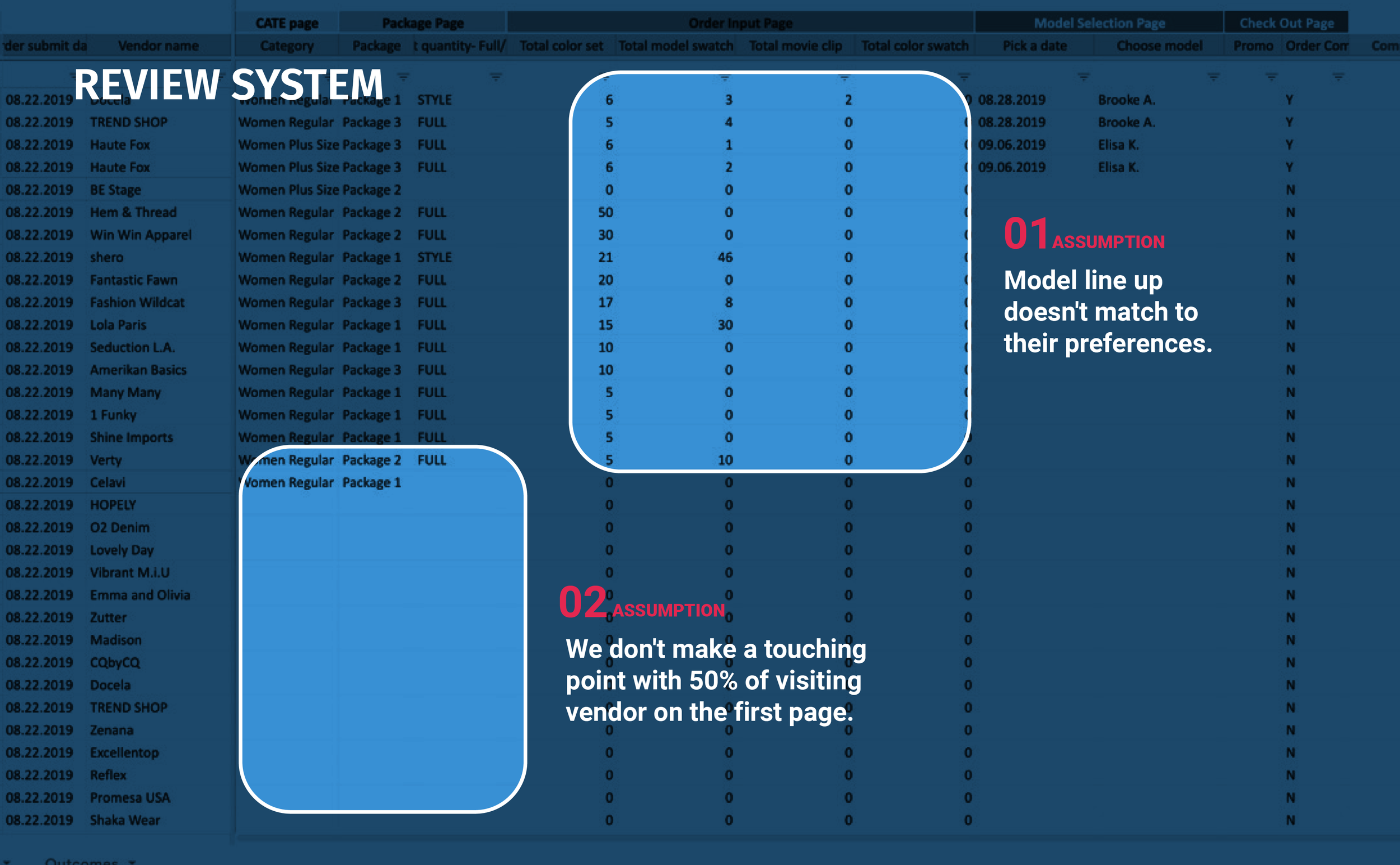
Track user confusion and drop-offs using N-click analytics
Run A/B tests to refine terminology, ordering sequence, and information hierarchy
Maintain an iteration loop: measure → test → learn → ship improvements
06. Next Step / Future Foresight
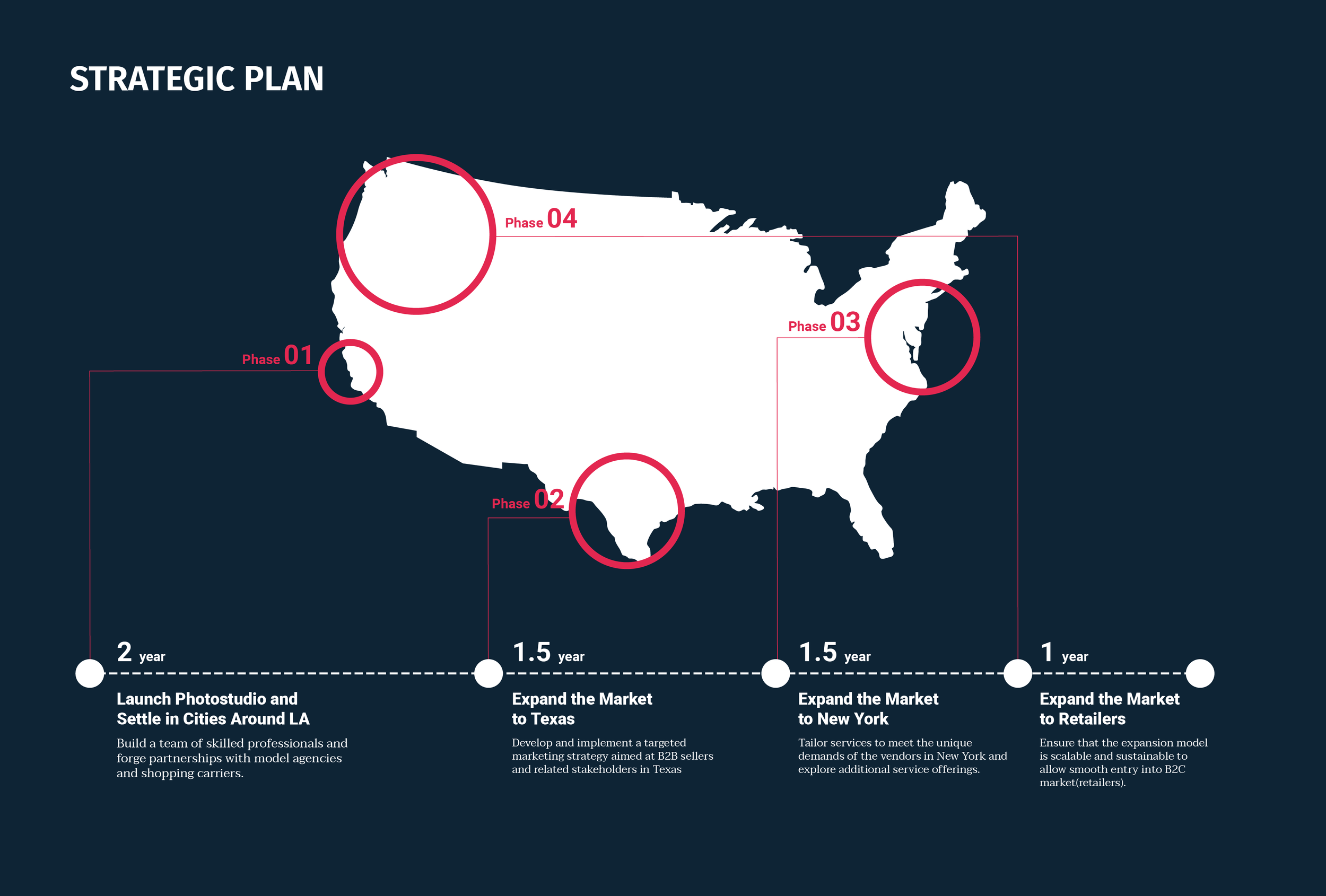
Expand the service nationwide beyond Los Angeles to support FashionGo’s 10,000+ B2B sellers
Leverage LA fashion resources (models, styling, production) to serve rural/suburban sellers
Increase model variety and shoot concepts to match different brand identities and trends
Improve logistics partnerships to reduce turnaround time and broaden coverage
Build a scalable operating model to grow volume without sacrificing quality
F.G. MULTIMEDIA SERVICE
How can FashionGo make B2B purchasing easier and help buyers feel in control?
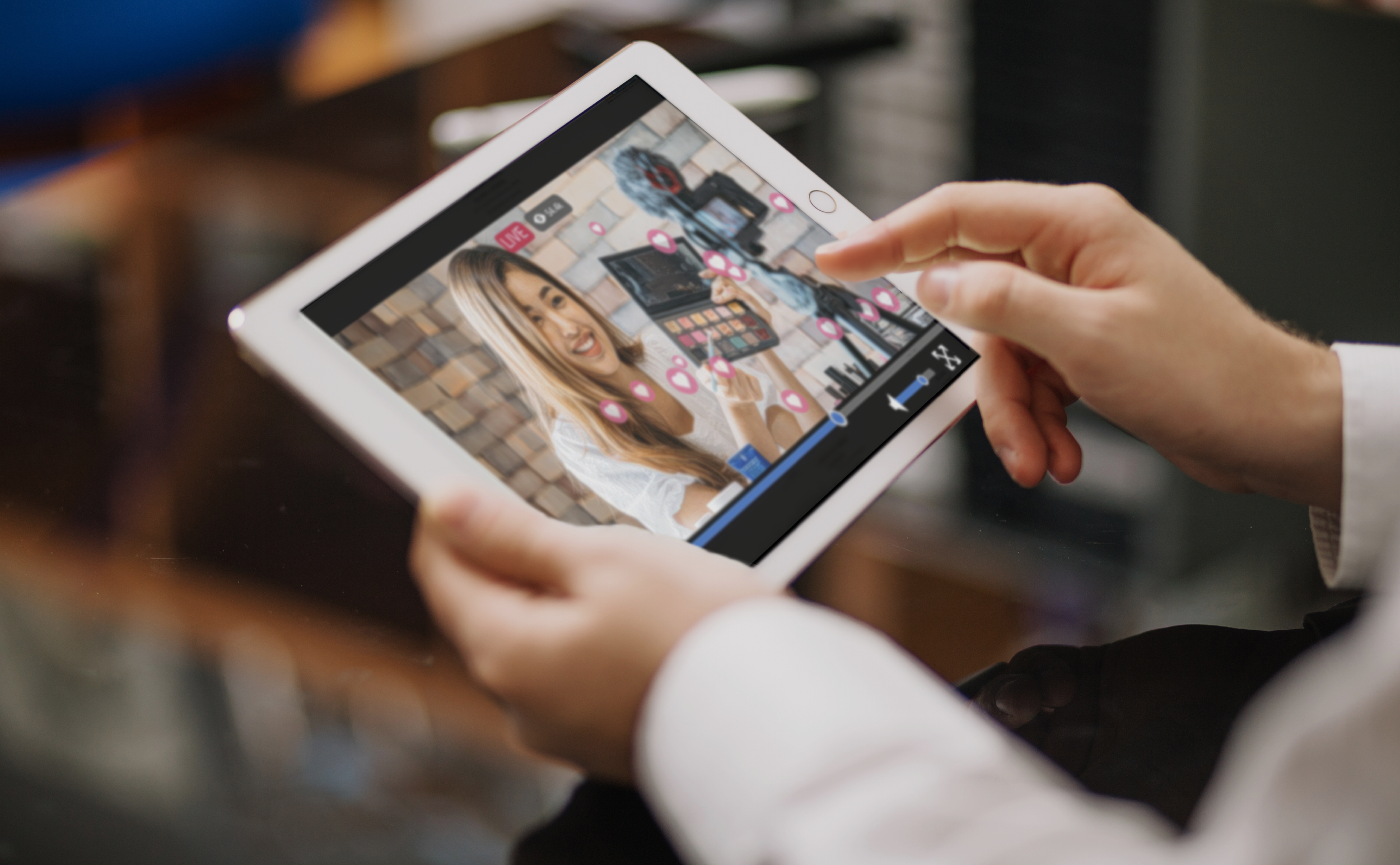
FashionGo’s growth had long relied on commissions and ads from a small group of major sellers, which weakened platform control. After the acquisition, the company needed scalable services to attract a broader buyer base and drive repeat purchases. We identified a key friction: before placing large orders, buyers struggle to reliably understand and verify complex B2B product information. To address this, we explored using multimedia to compress the evaluation process and increase buyer confidence.
How can FashionGo enhance
the B2B purchasing experience
with multimedia content?
PRODUCT
Background
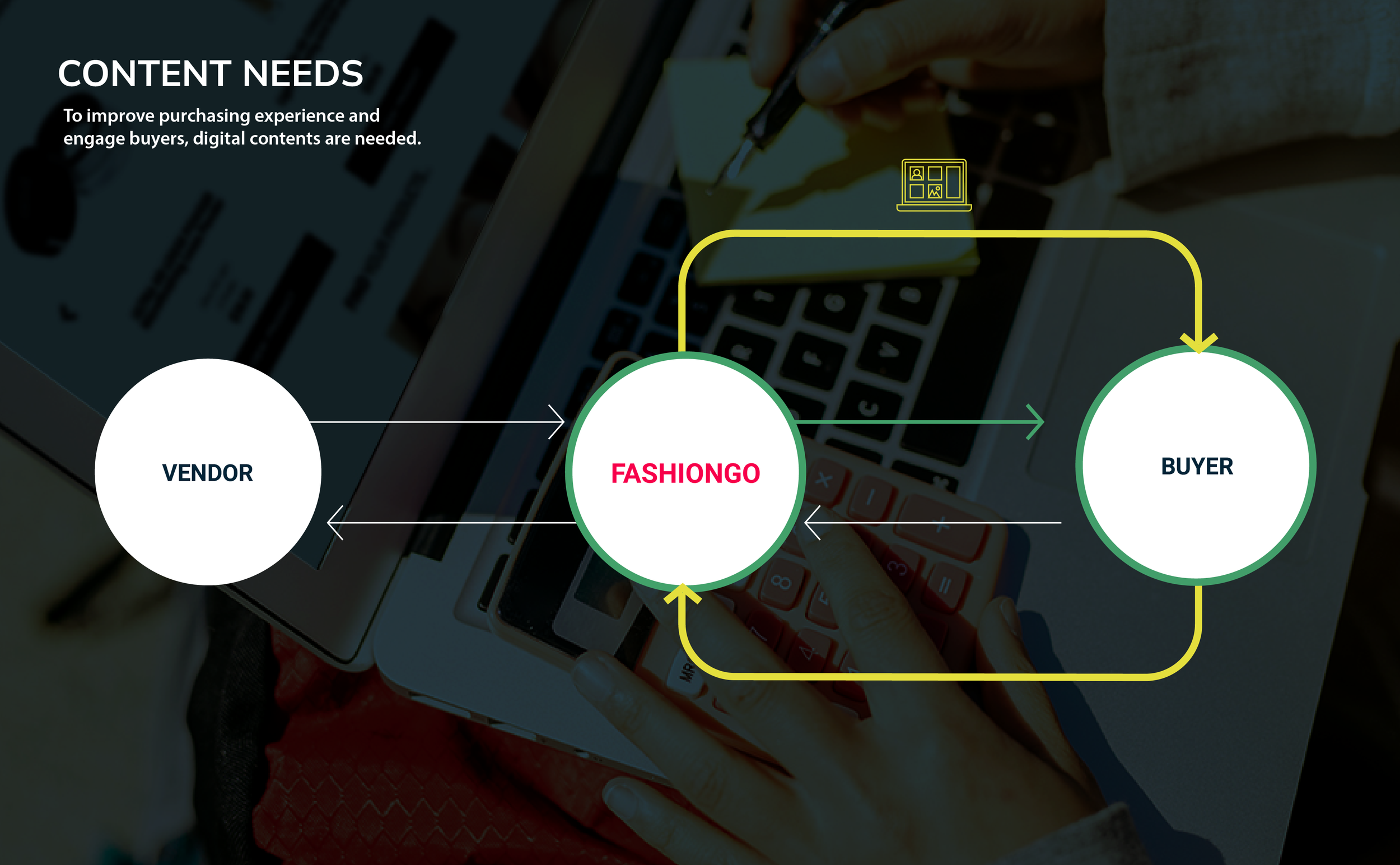
FashionGo’s model had long depended on commissions and ads from a small set of large sellers, which weakened platform control. Post-acquisition, the company needed new services that scale buyer acquisition and retention to rebalance platform power. Multimedia content became the lever to simplify B2B evaluation and build trust at scale. Because B2B purchases carry higher risk and complexity, buyers need fast, reliable proof—multimedia can compress that evaluation effort and build trust at scale.
Problem
After the acquisition, FashionGo needed to reduce dependence on a small group of major sellers and regain platform control by growing and retaining a larger, more diverse buyer base. That required new services that increase buyer touchpoints and strengthen buyer relationships. To rebalance platform power, FashionGo needed to make repeat purchasing easier by reducing the buyer’s evaluation burden. At the same time, we found a key B2B friction: buyers struggle to verify product value, pricing, and regulatory compliance through clear, reliable information, which lowers trust and ultimately increases cancellations and returns.
Solution
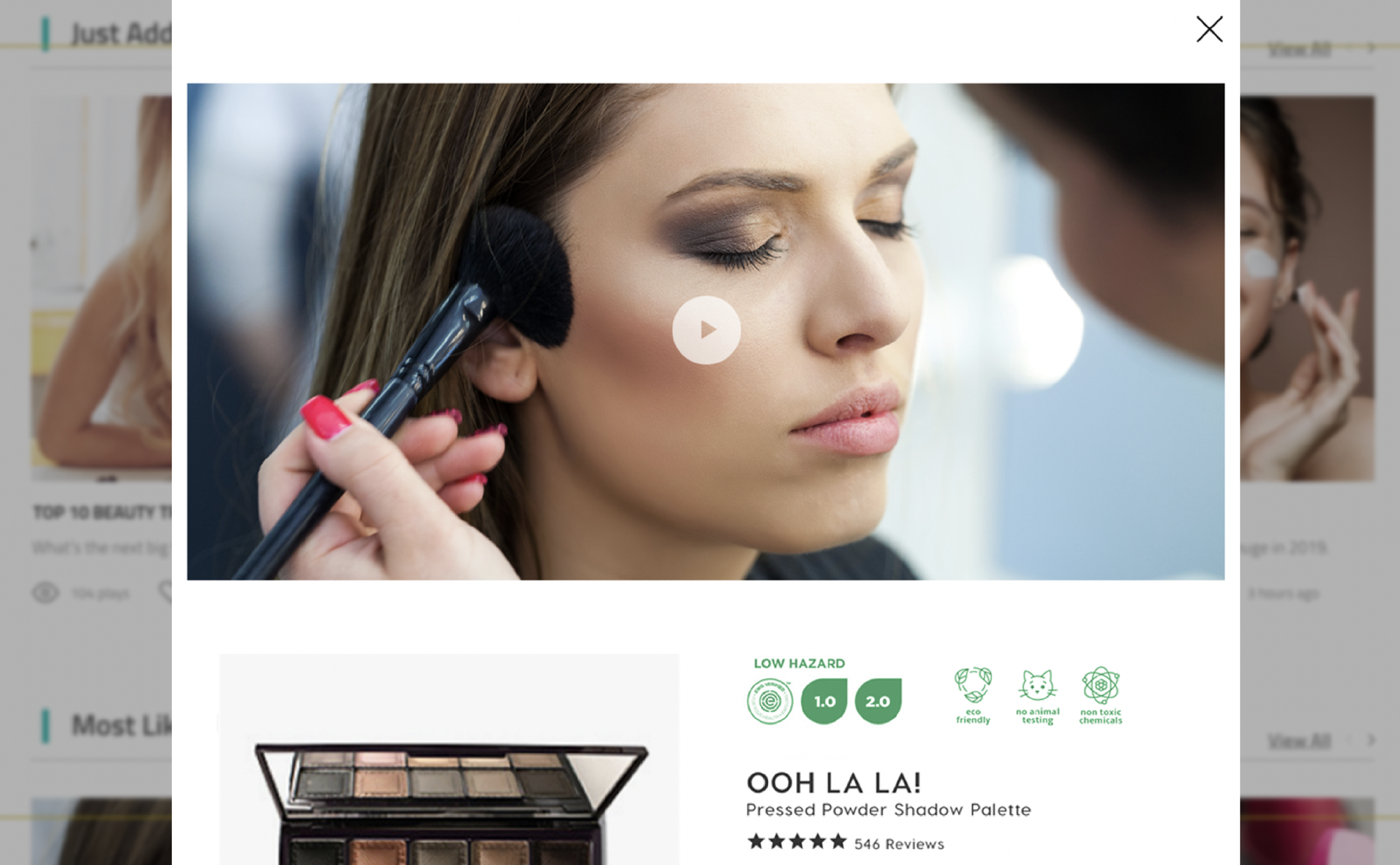
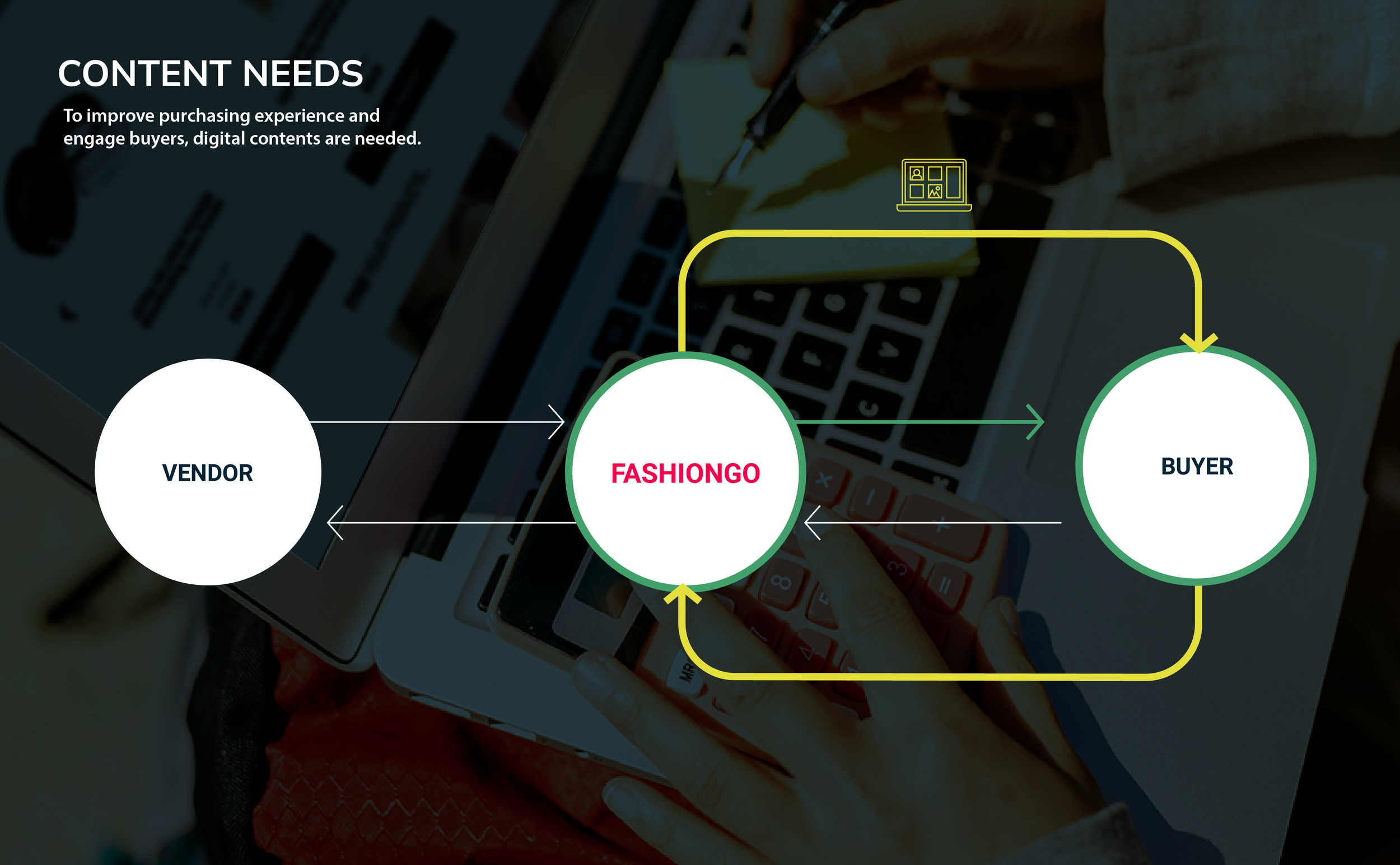
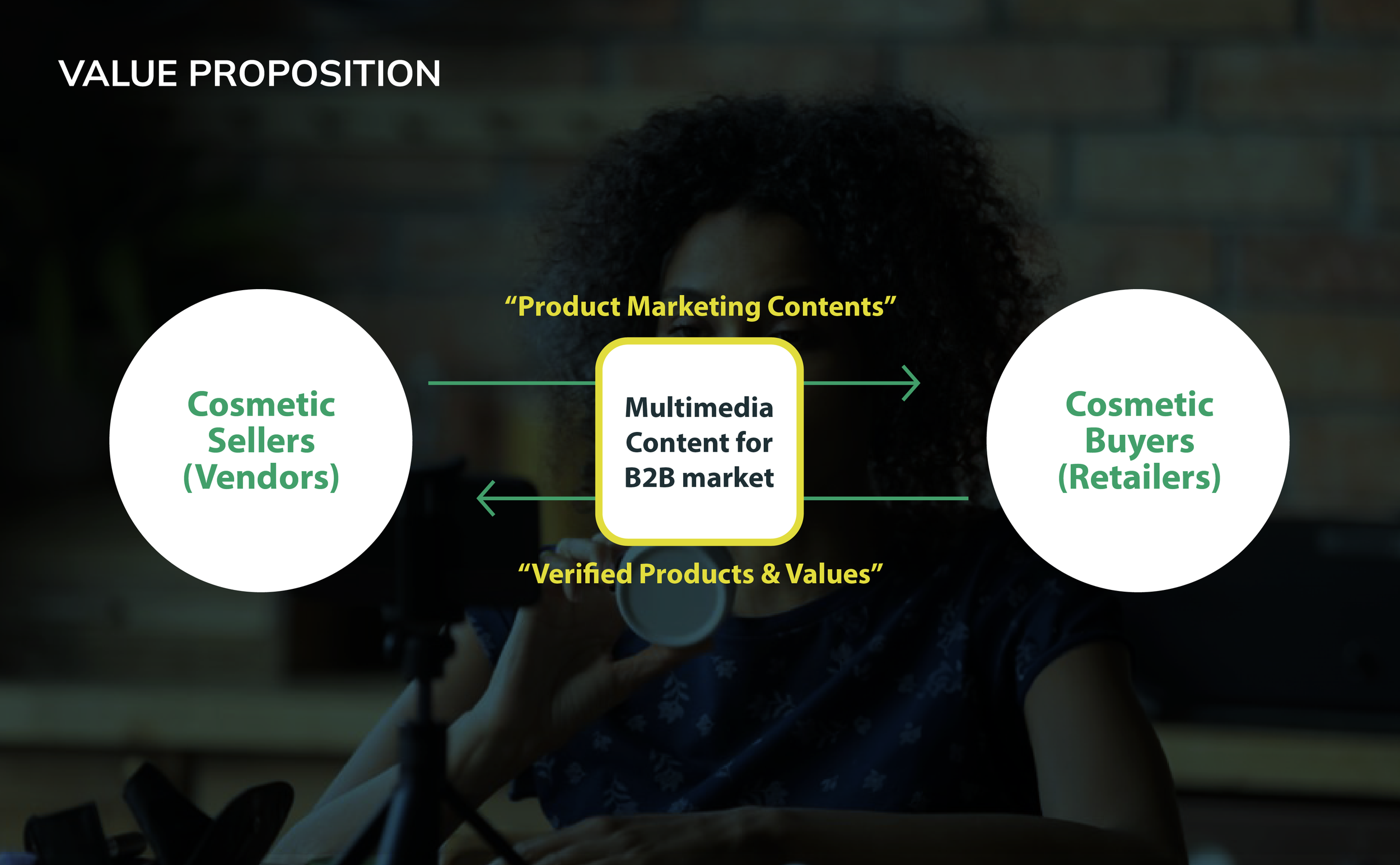
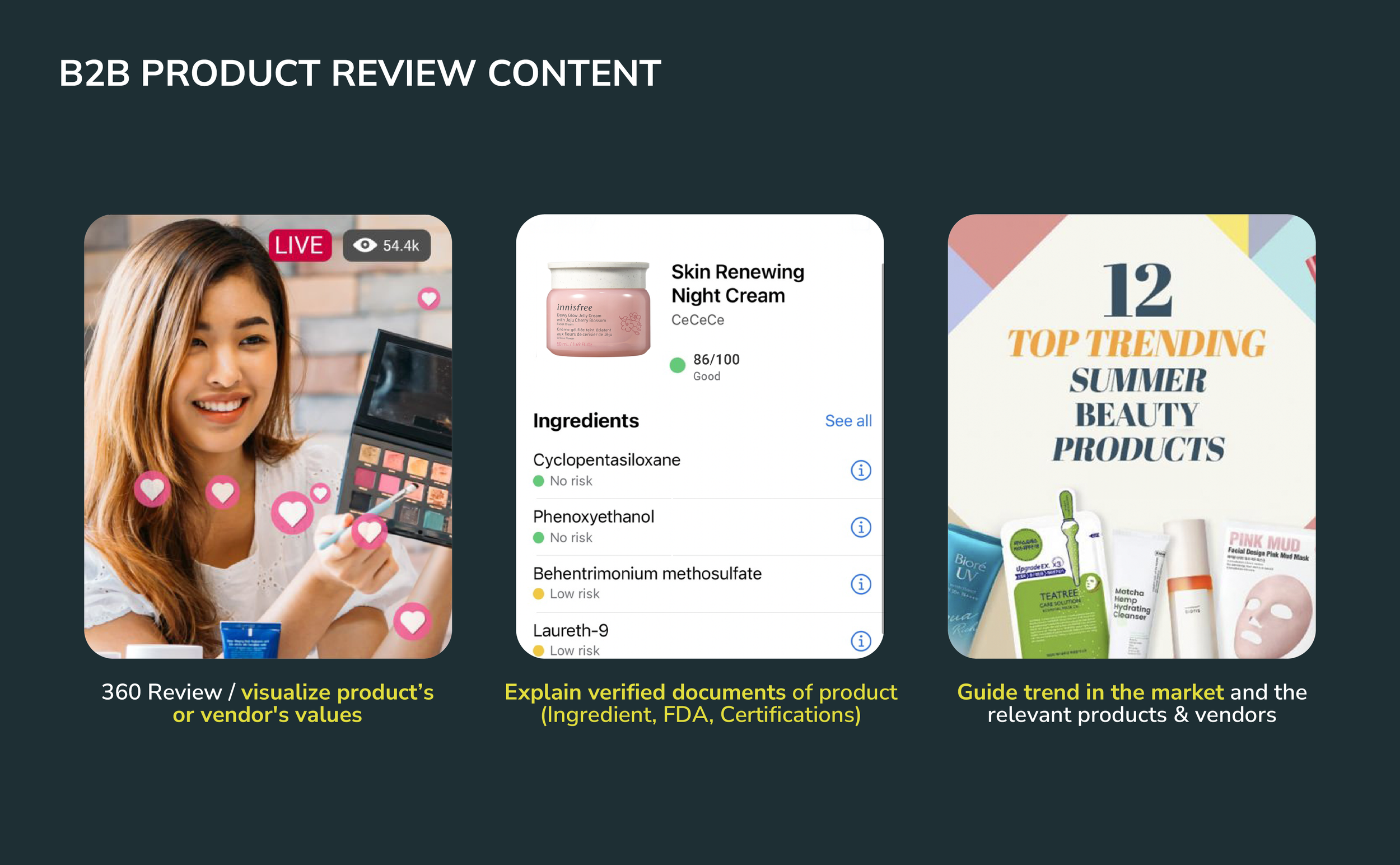
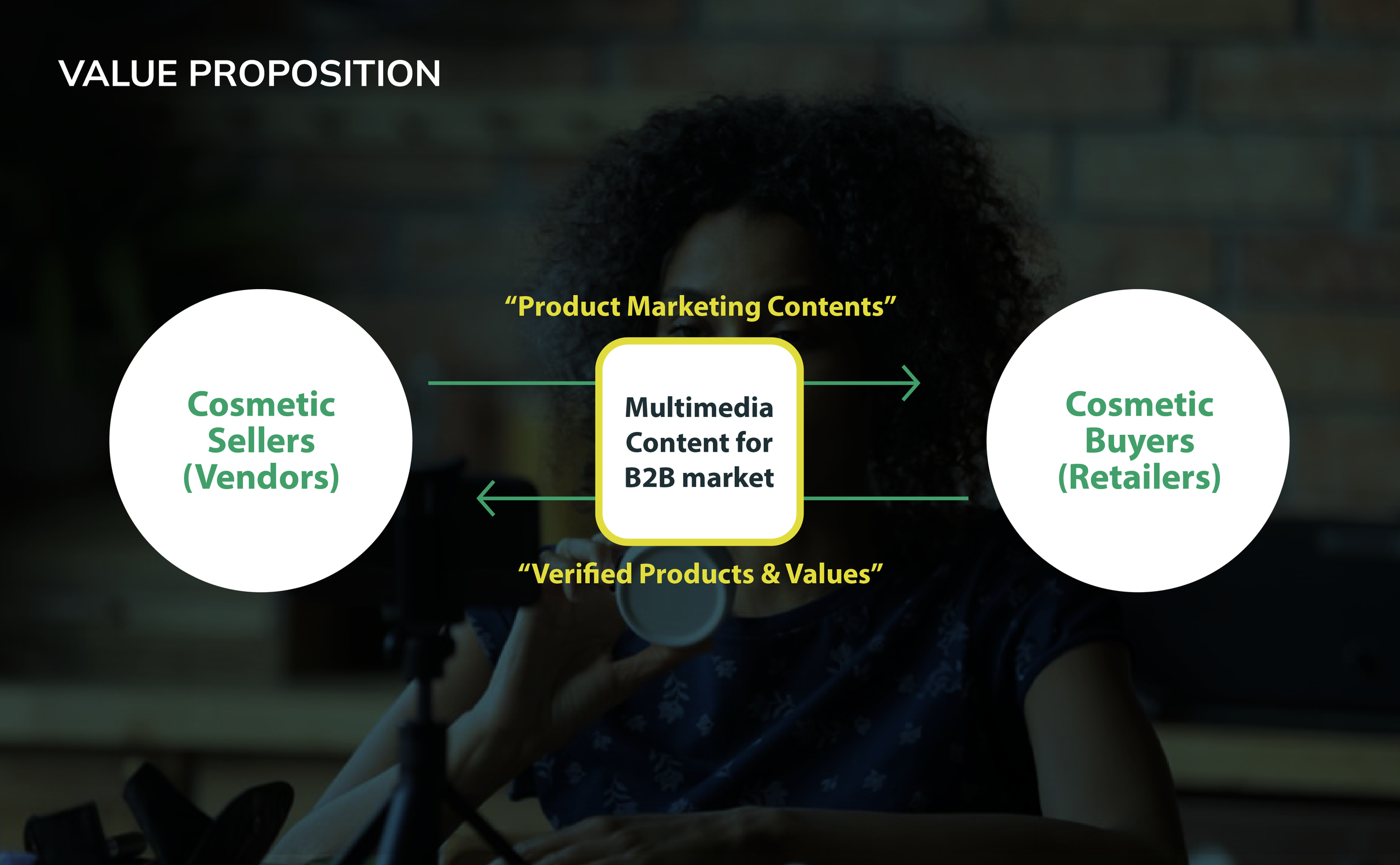
Designed a multimedia service that turns complex B2B product details into easy buying guidelines and structured seller/product storytelling inside FashionGo. By making pricing, packaging, compliance, and credibility easier to understand and validate, the service reduces buyer uncertainty and supports stronger buyer relationships. This also increases platform control by standardizing how product credibility is communicated—beyond what any single seller can influence.
STRATEGY
01. What to Achieve
Frame Question
How can we increase buyer confidence by simplifying complex B2B product evaluation through multimedia?
Outcomes
Expand product lines beyond apparel to unlock broader buyer demand
Reduce cancellations, returns, and refunds by improving decision clarity
Strengthen platform control by growing a healthier buyer/seller balance
02. Where to Play
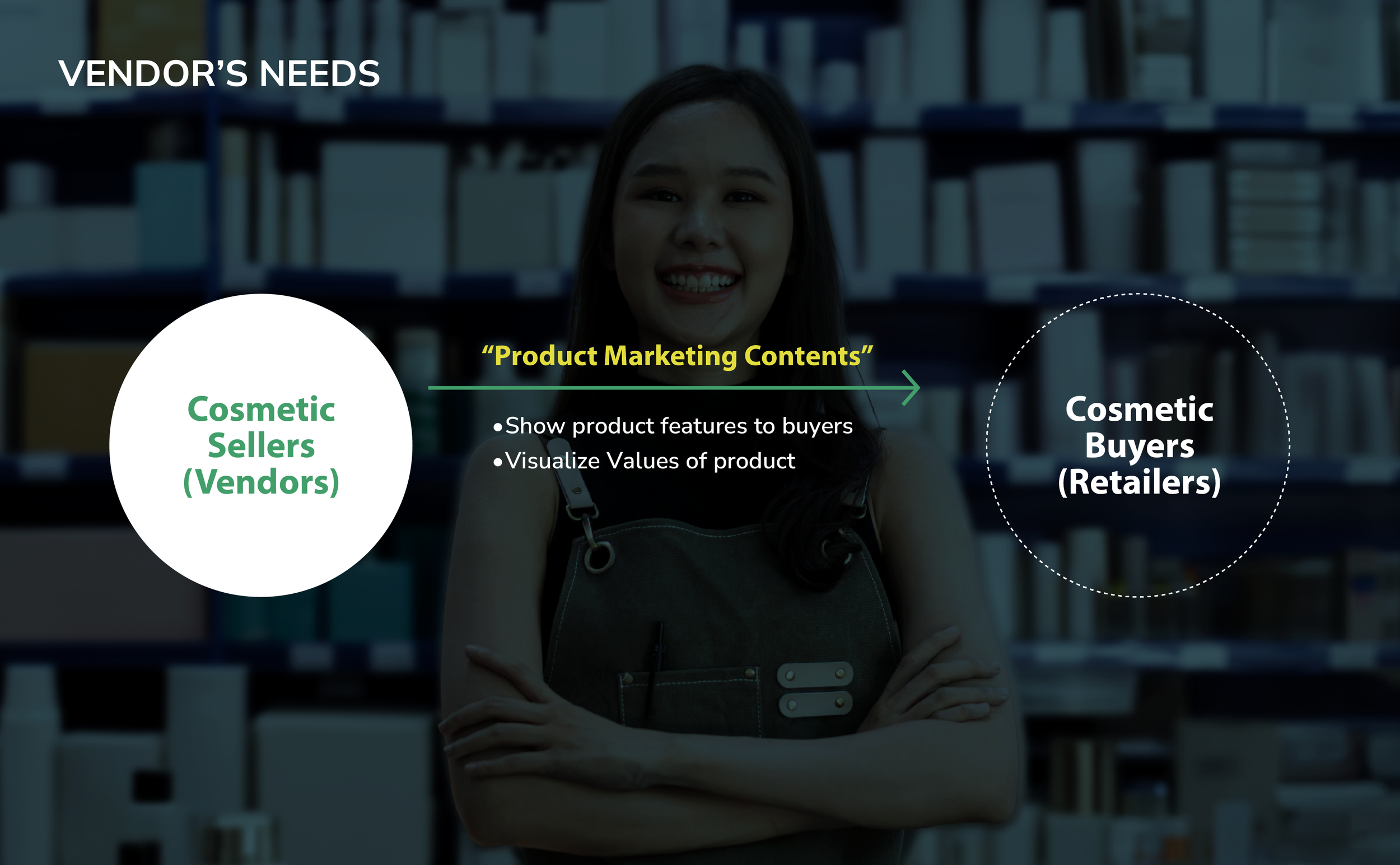
Start with beauty and cosmetics, where demand is large and product value can be demonstrated clearly
Leverage relationships with Korean sellers and suppliers to accelerate sourcing and content creation
Prioritize high-consideration categories where trust and compliance drive purchase decisions

03. How to Win
Confidence before commitment: Buyers can understand product value, pricing logic, and compliance requirements through clear multimedia—reducing guesswork before placing large orders.
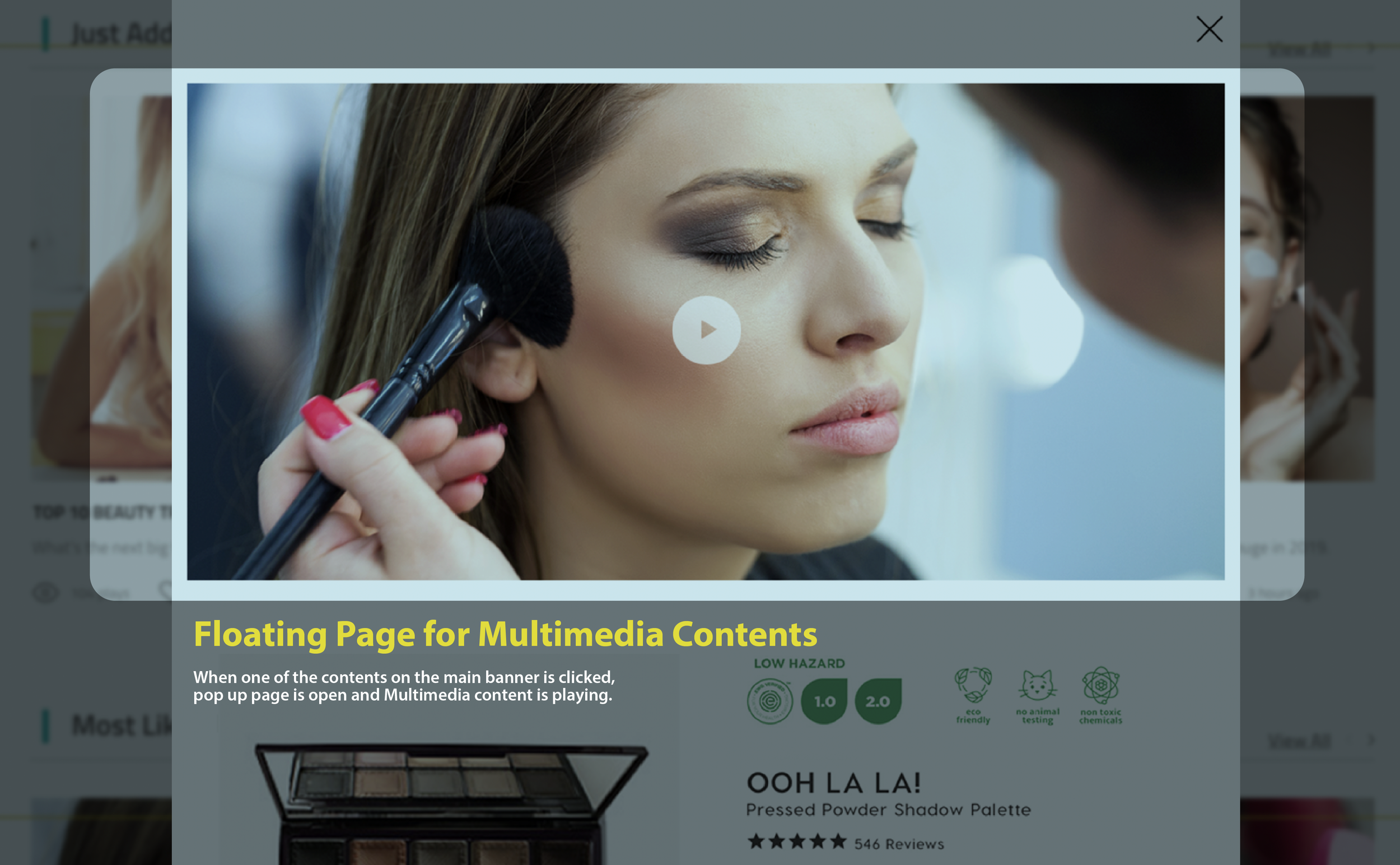
Faster, easier evaluation: Infotainment-style guidelines help buyers grasp complex details quickly, shortening the research time needed to compare options.
Lower purchase risk: By clarifying packaging, regulations, and seller credibility, buyers can make decisions with fewer surprises, which reduces cancellations and returns.
04. Capabilities to Implement
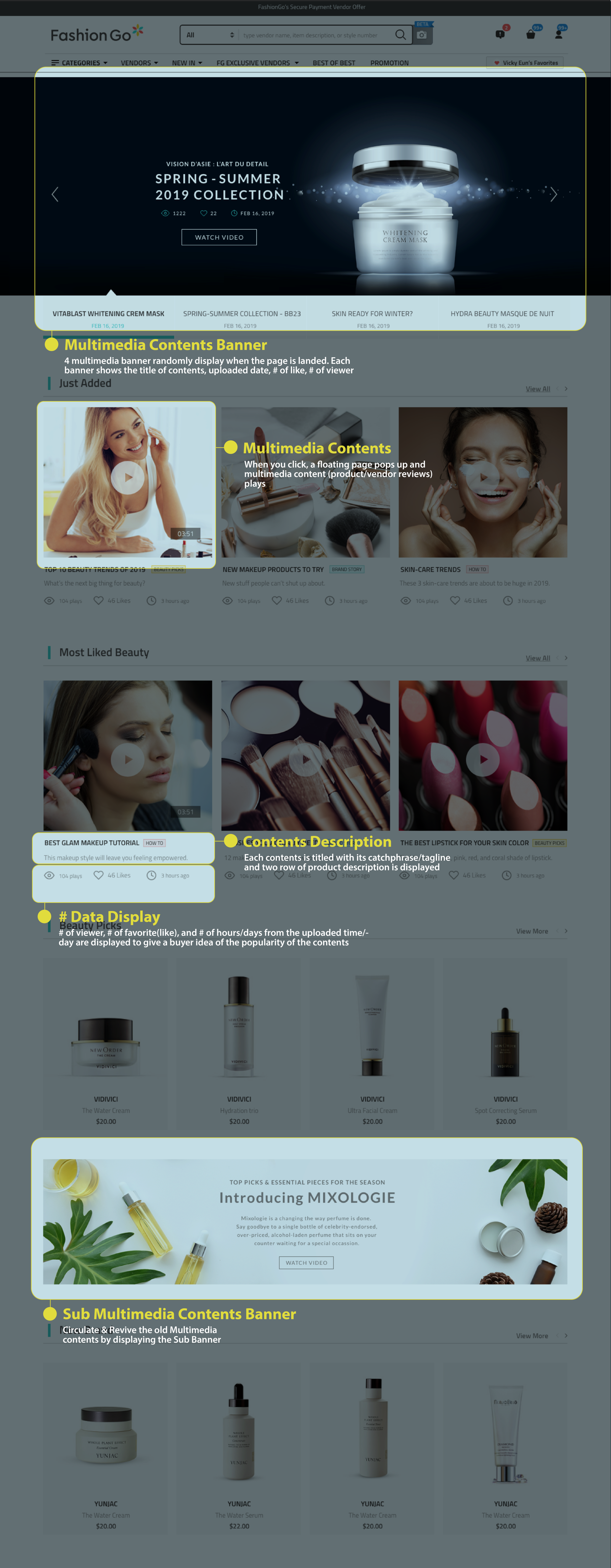
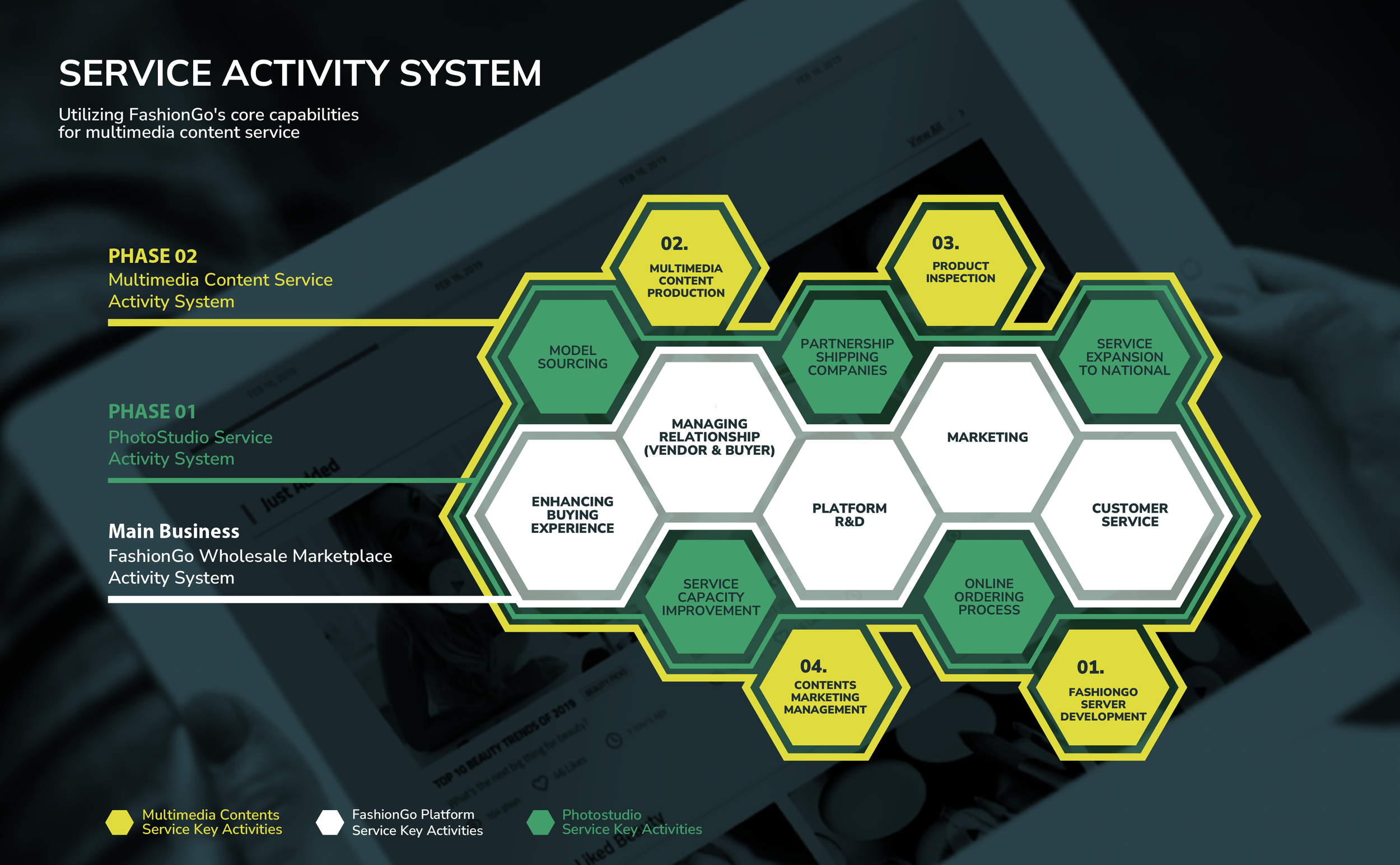
Build a platform-controlled multimedia server to protect exclusive B2B information
Establish a compliance process to validate safety and federal/state regulation alignment
Set up a production pipeline leveraging model agency partnerships for short-form content
Manage distribution channels including direct delivery to relevant buyer cohorts
05. Management System to Grow
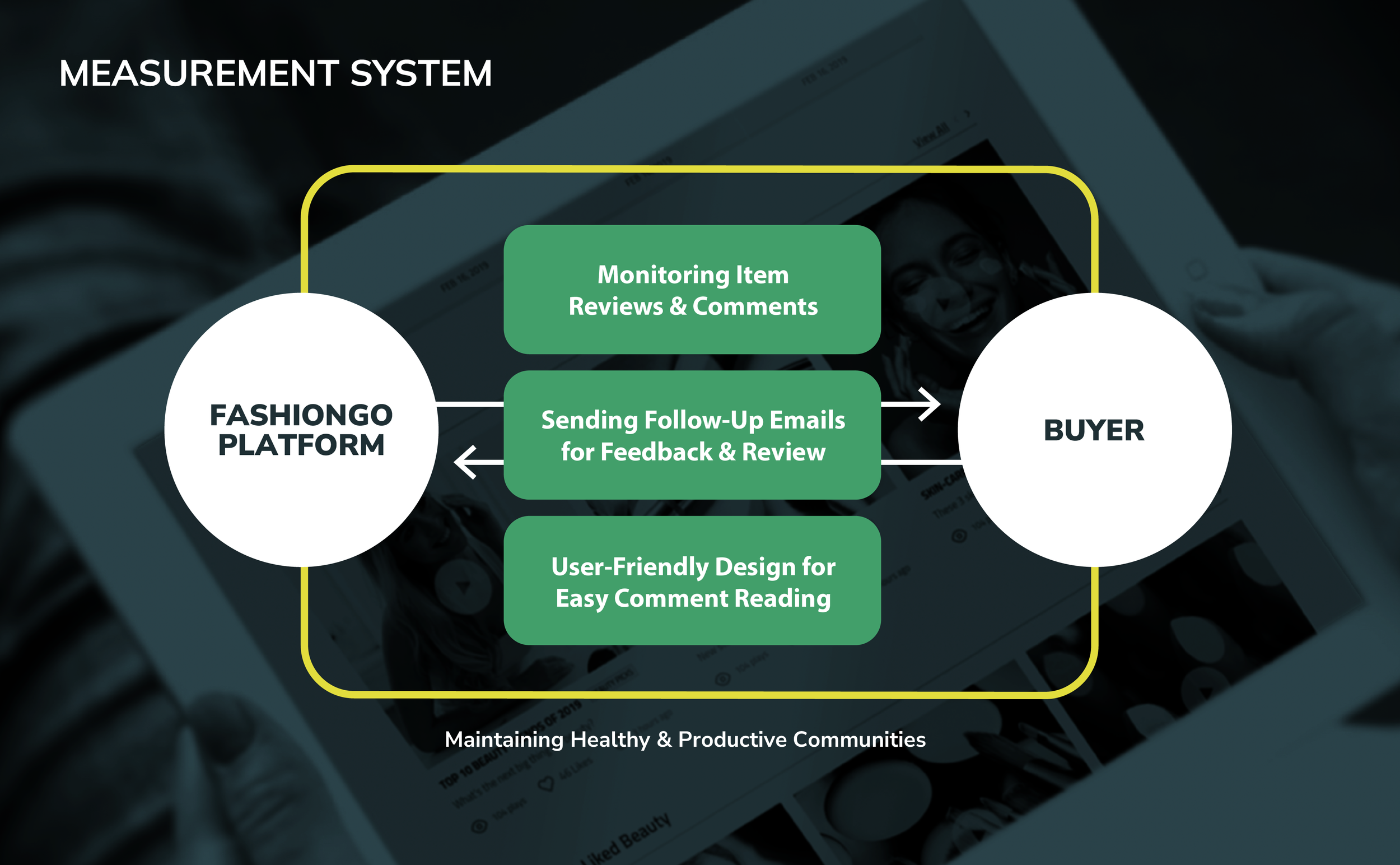
Measure engagement through views, comments, and reviews as core success signals
Improve participation with UX that makes reading and interacting effortless
Maintain credibility with active moderation to prevent misleading or false signals
06. Next Step / Future Foresight
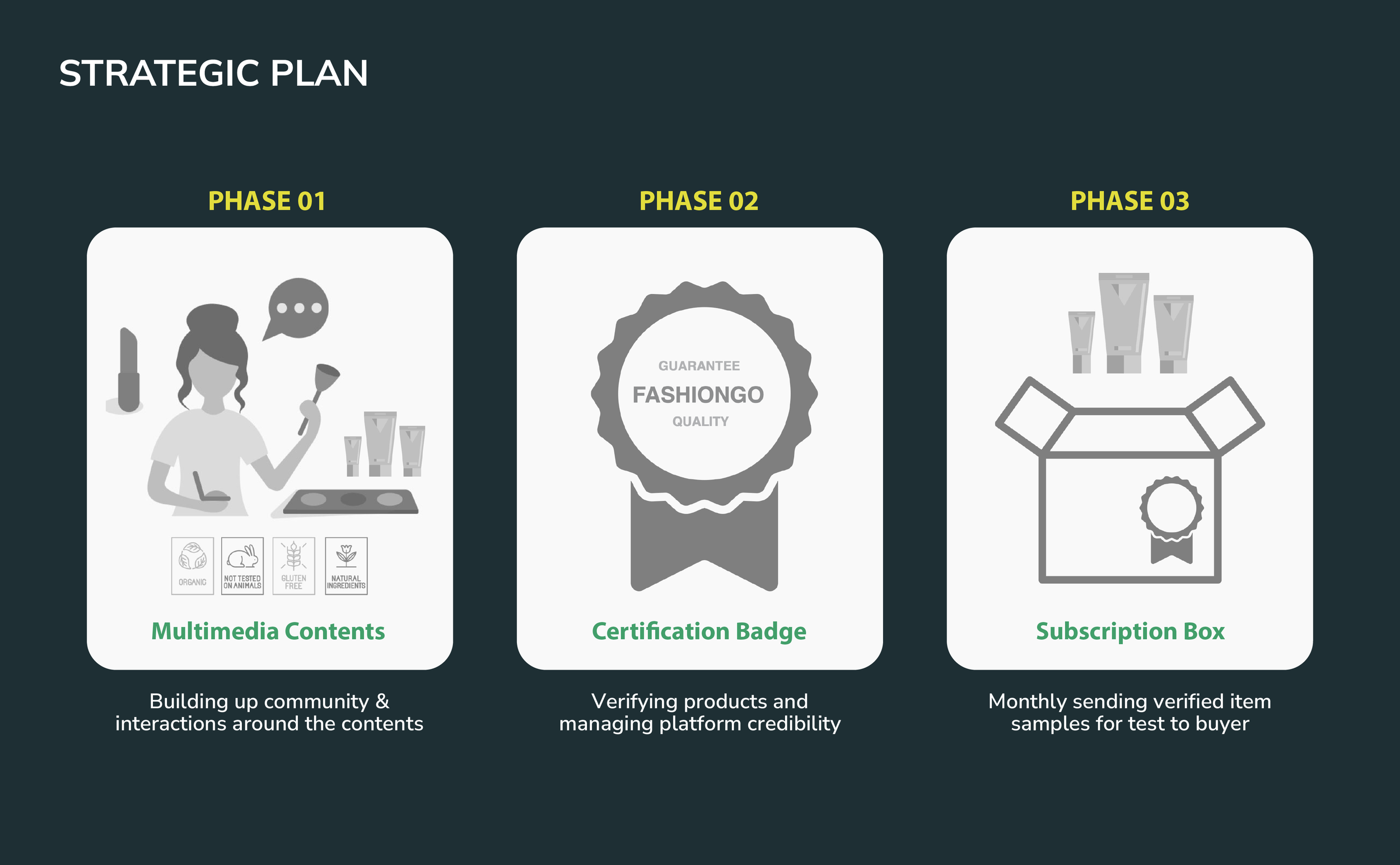
Launch a FashionGo Verified Item badge to provide a clear trust guideline for B2B buyers
Use verification to increase buyer retention and acquisition through stronger credibility
Grow vendor participation as the buyer base expands, strengthening platform governance
Use the verification layer as a foundation to expand additional buyer-facing services