VALIDATING ASSUMPTIONS WITH STORYBOARD
Working with teams to test product concepts through user stories and design the full journey across product and business.
I use storyboards to validate assumptions before a team commits to building. A storyboard turns research into a concrete user narrative—how a persona discovers a solution, engages with it, and returns—so we can evaluate both value and feasibility early.
Instead of debating ideas in the abstract, the team can align around the same scenario, reconcile different opinions, and move forward with shared clarity toward the goal.
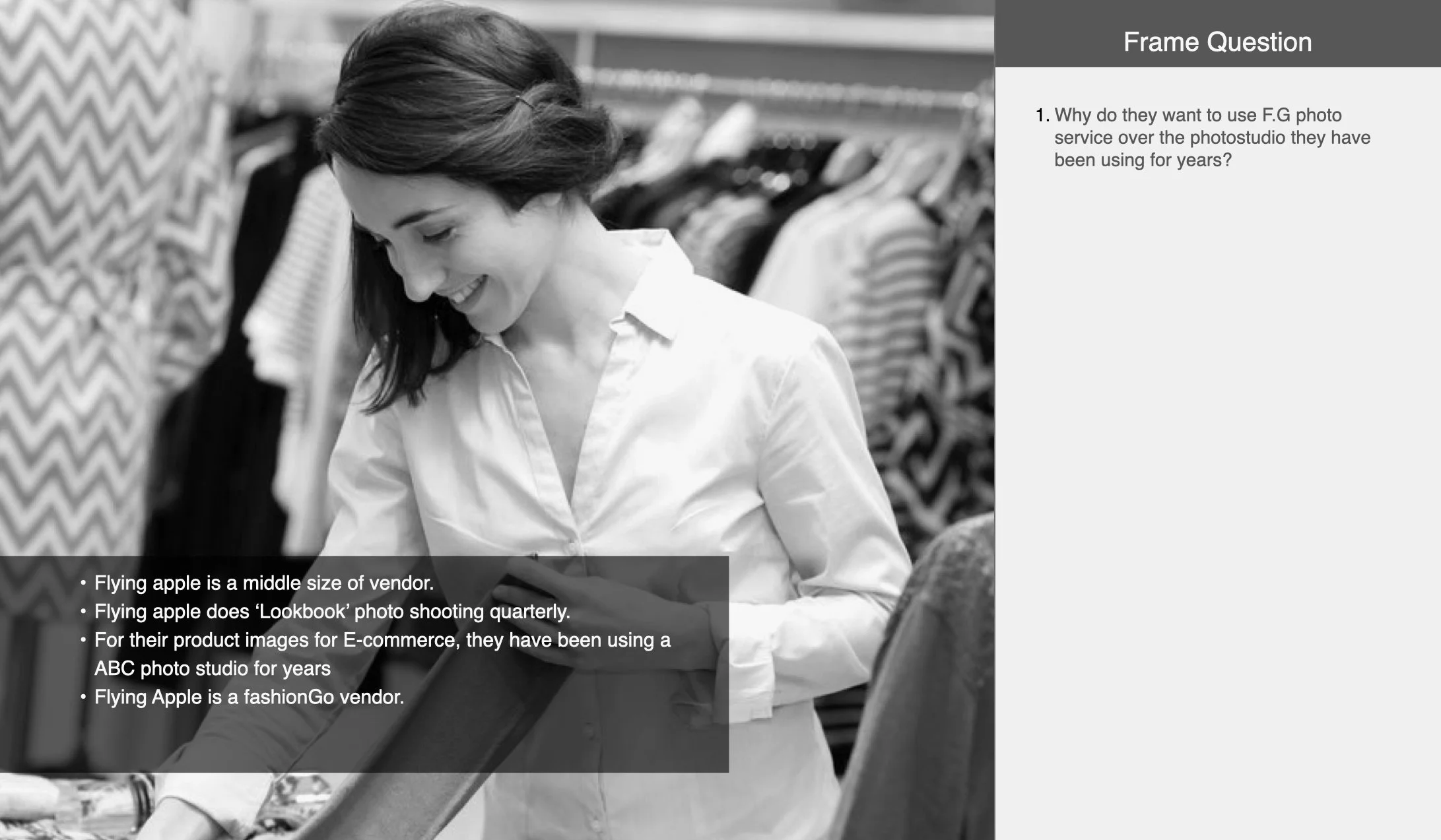
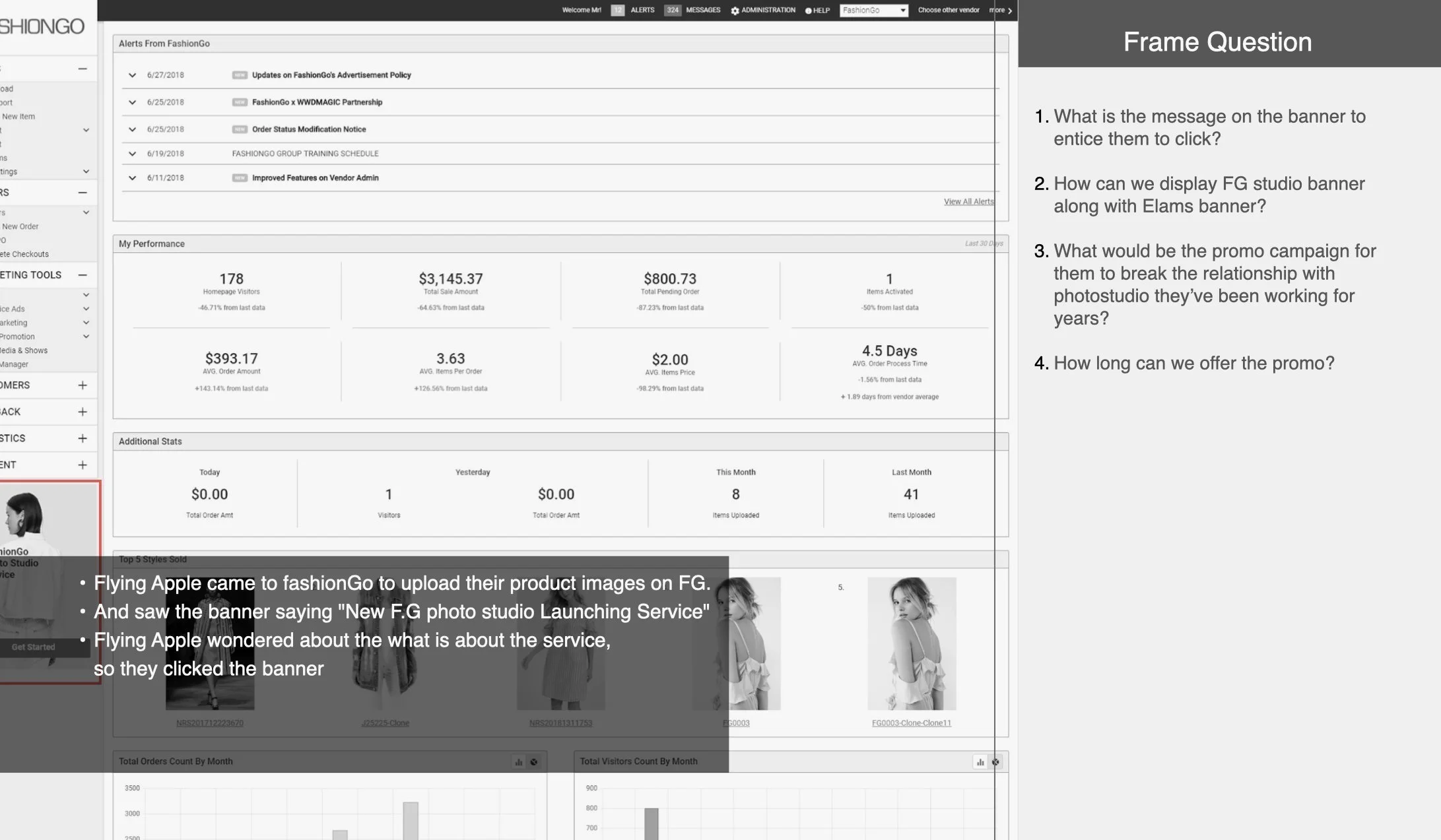
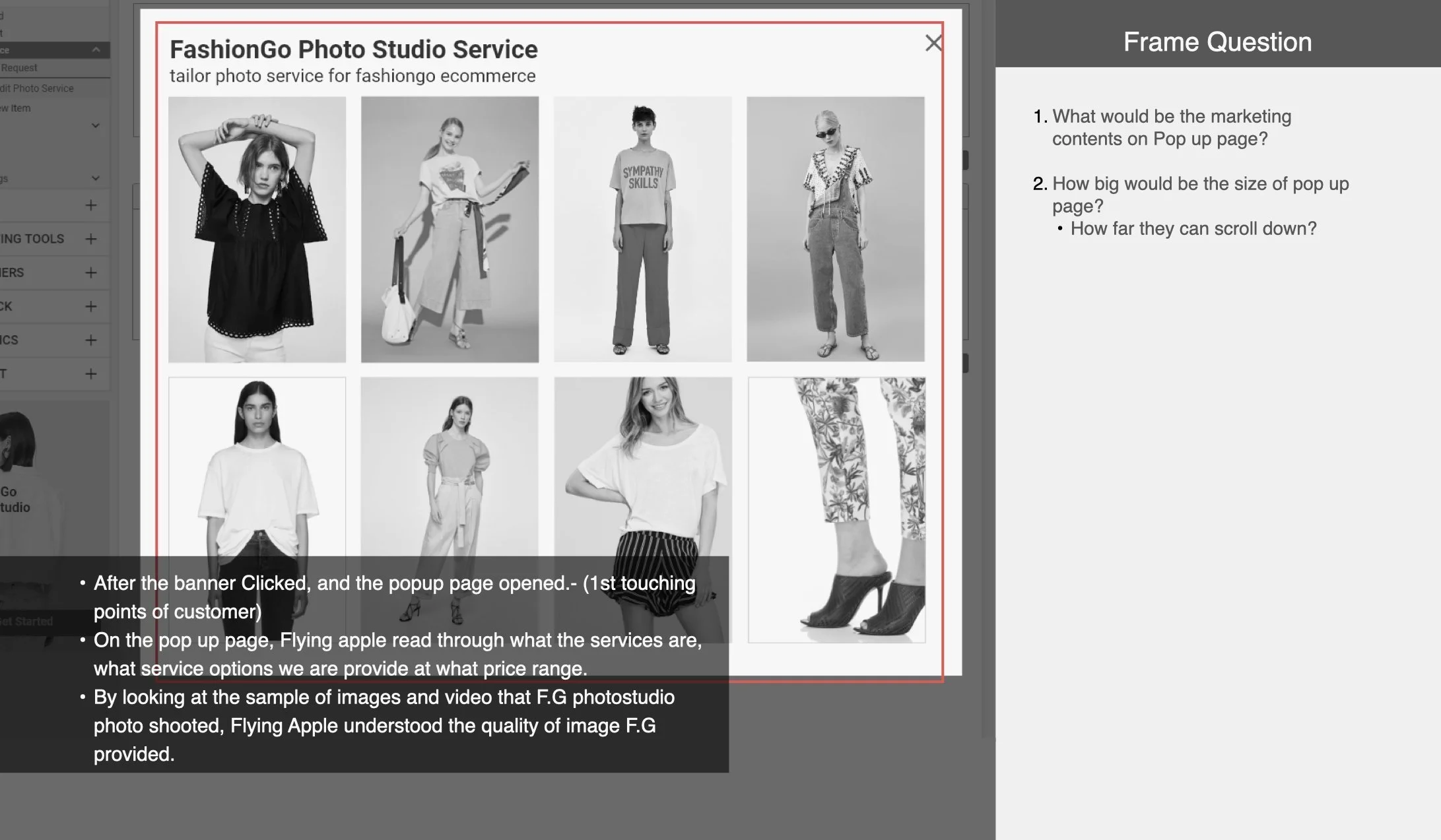
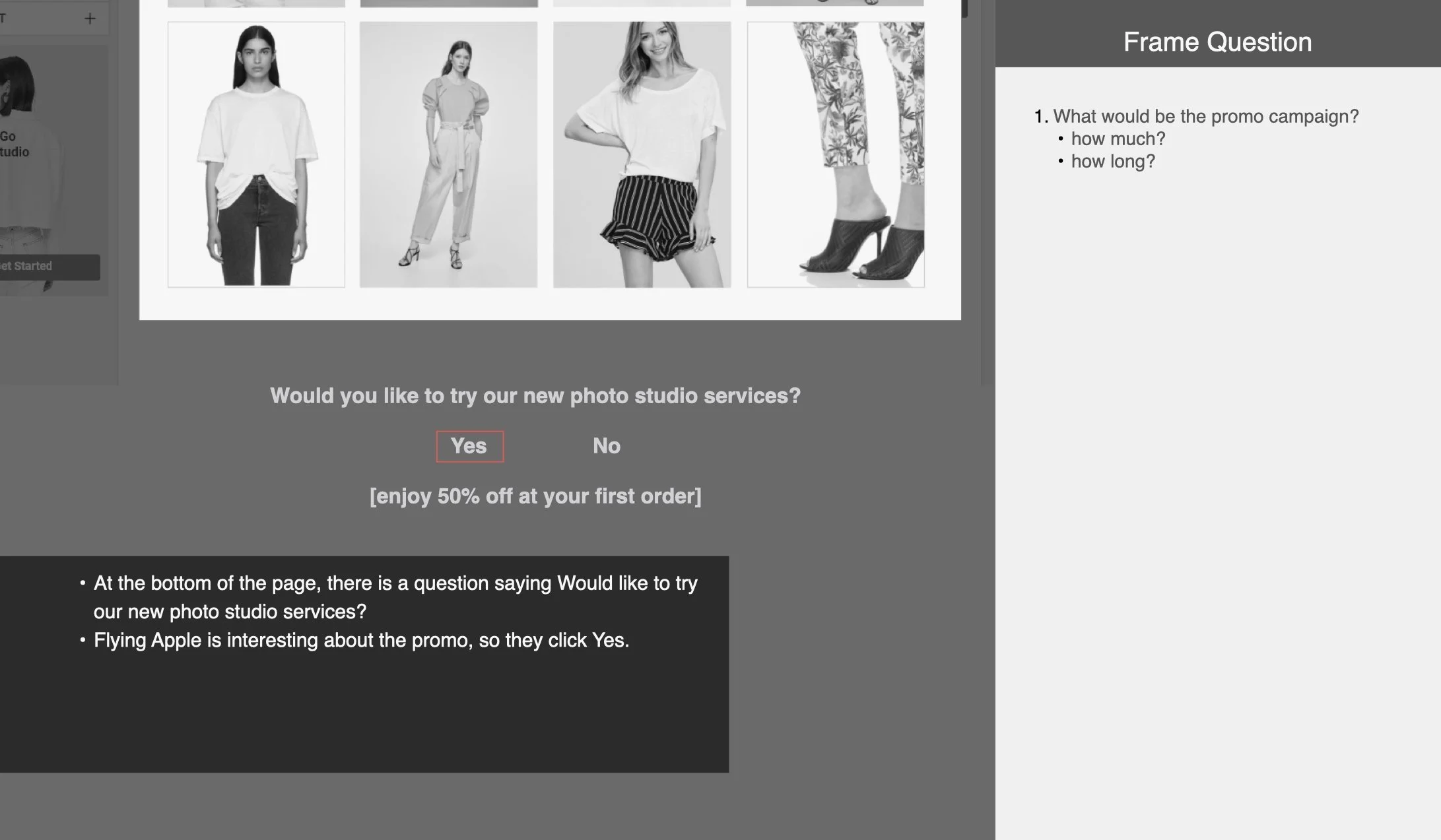
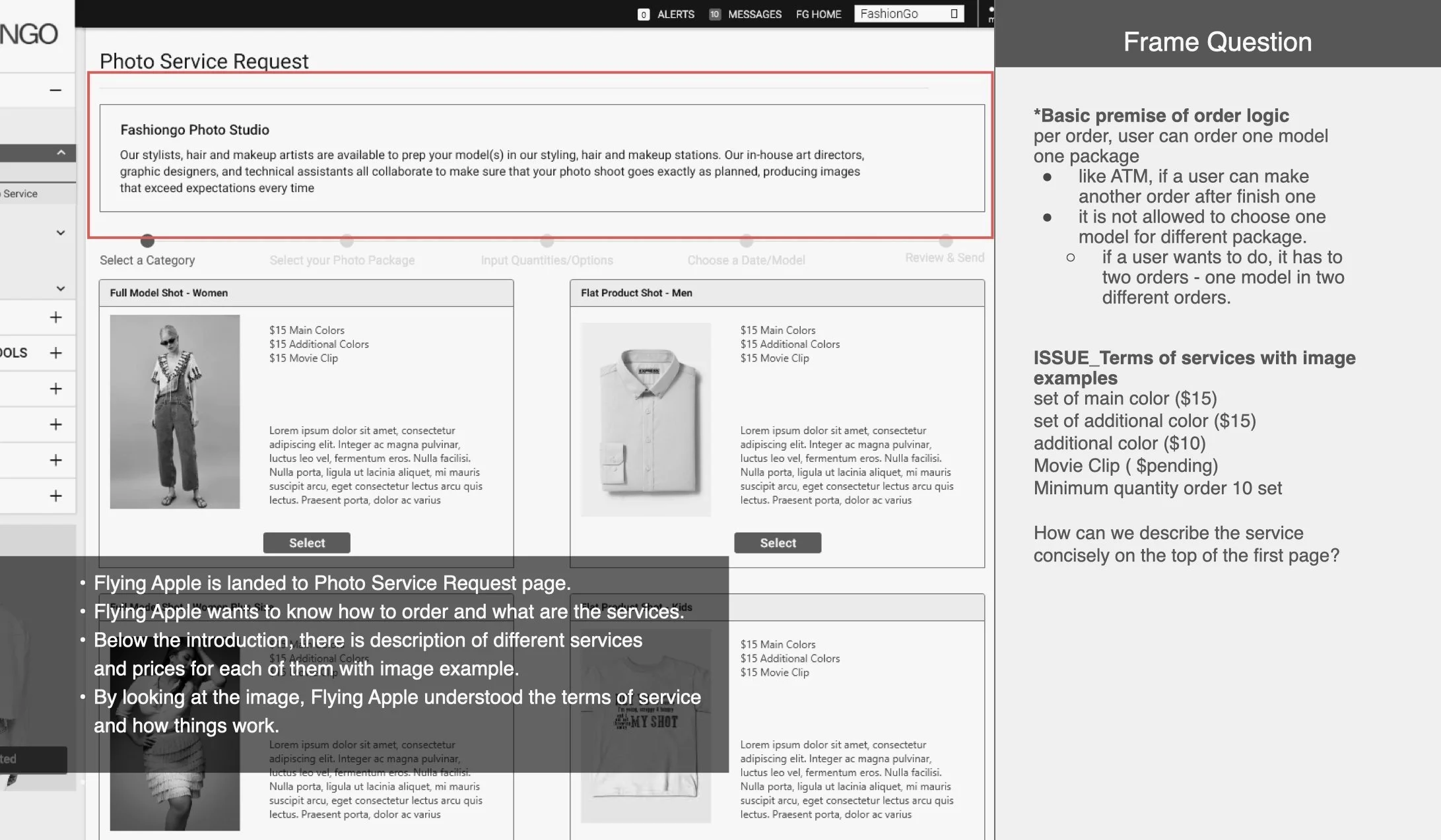
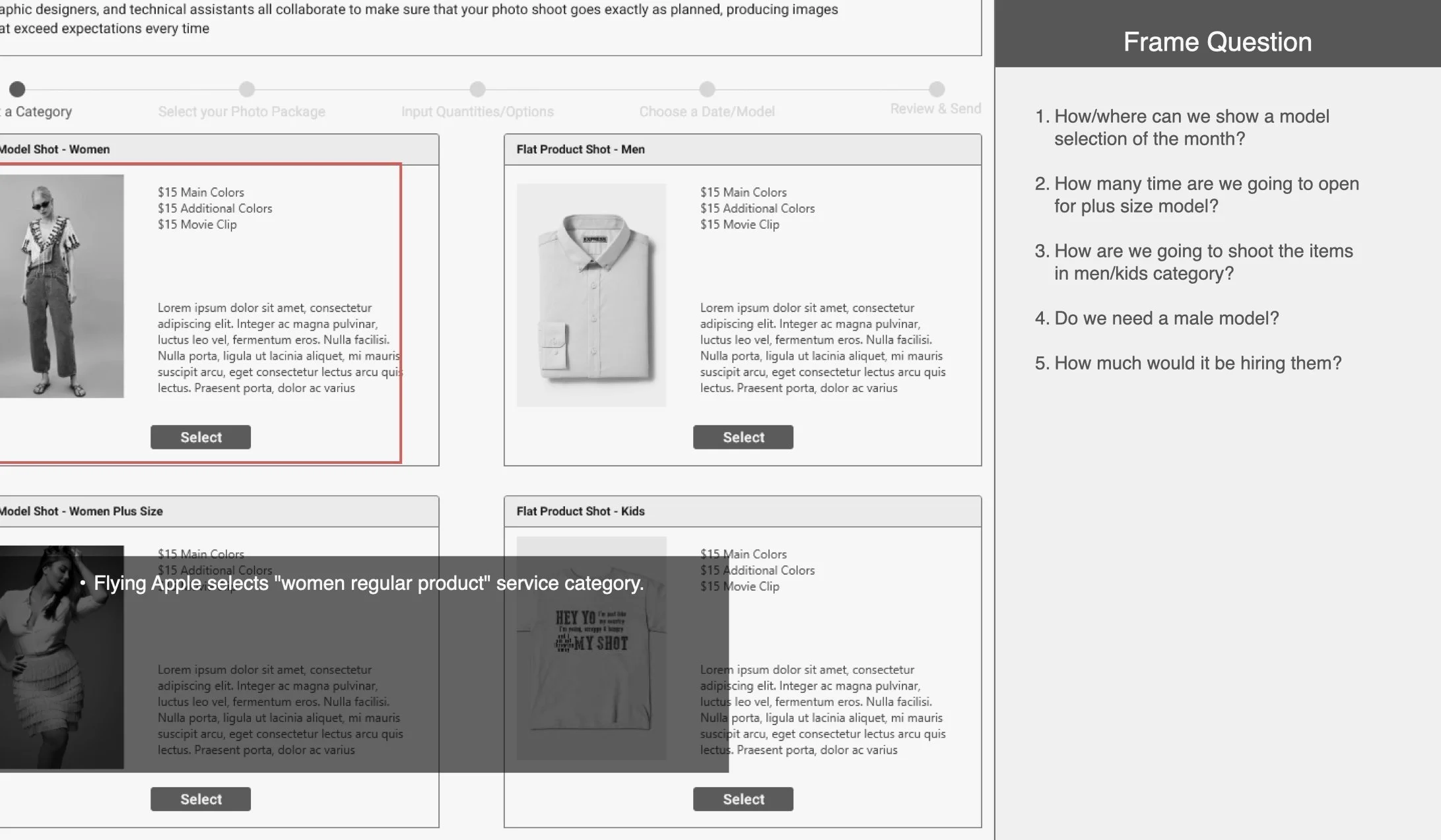
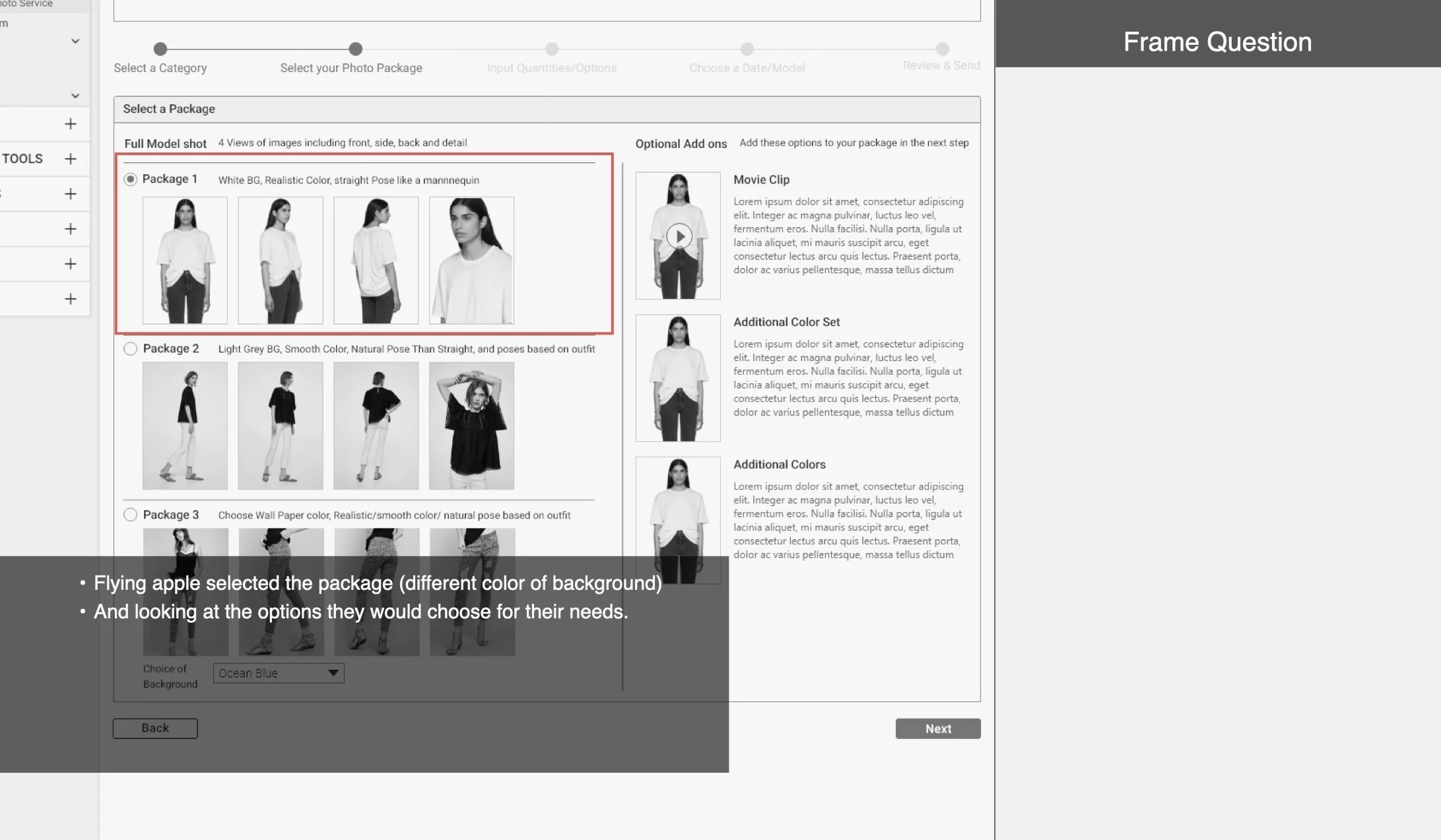
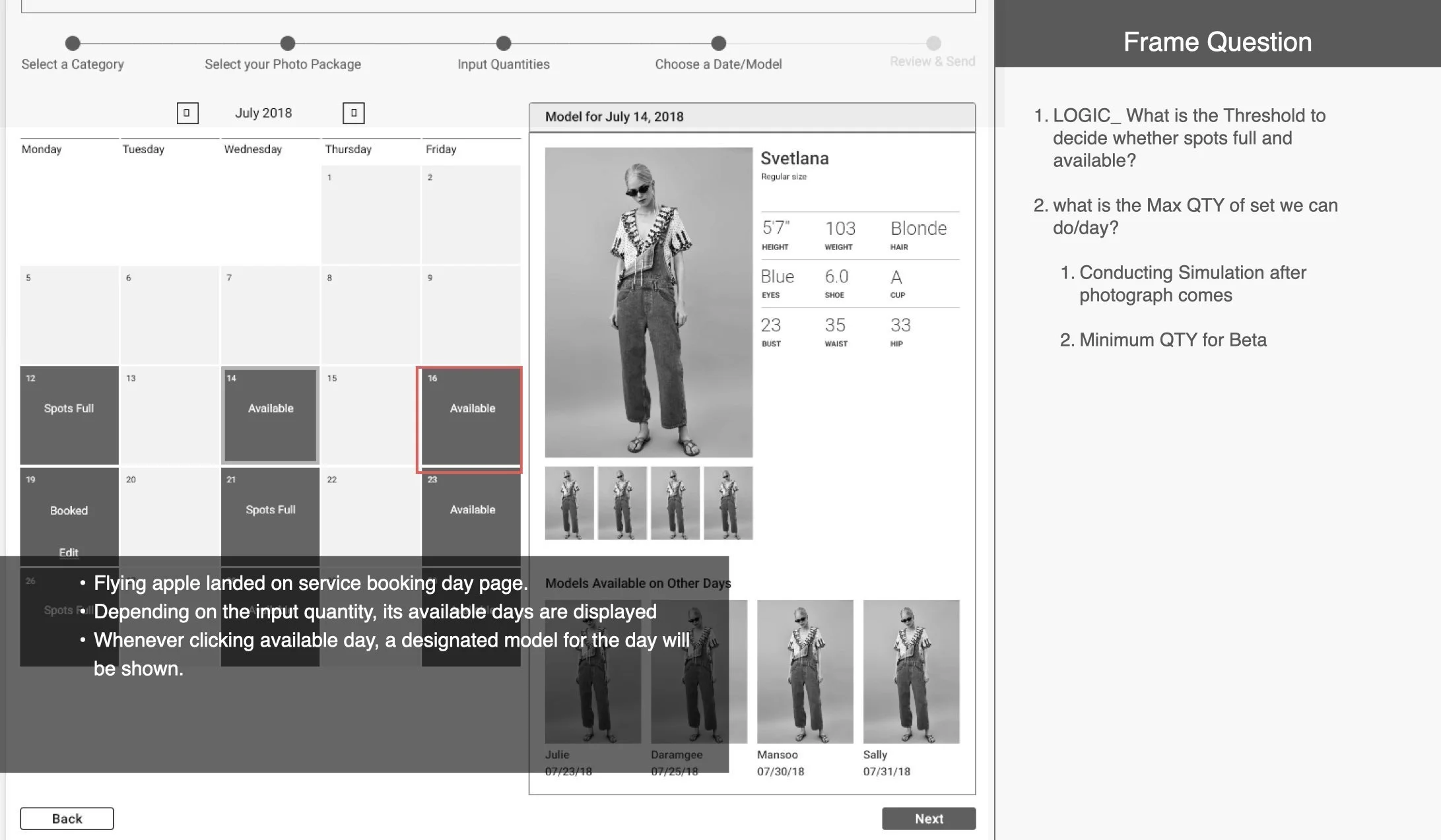
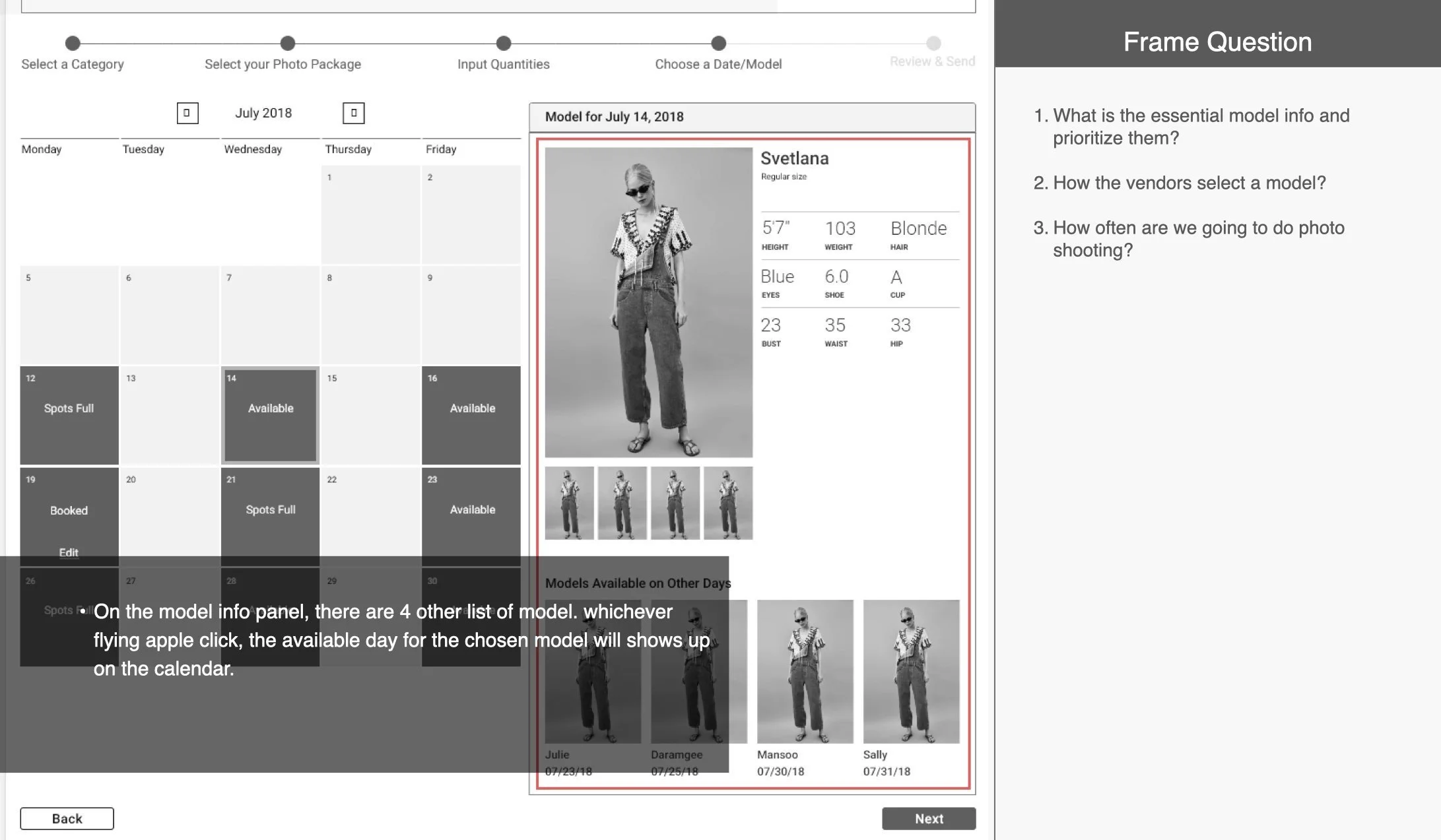
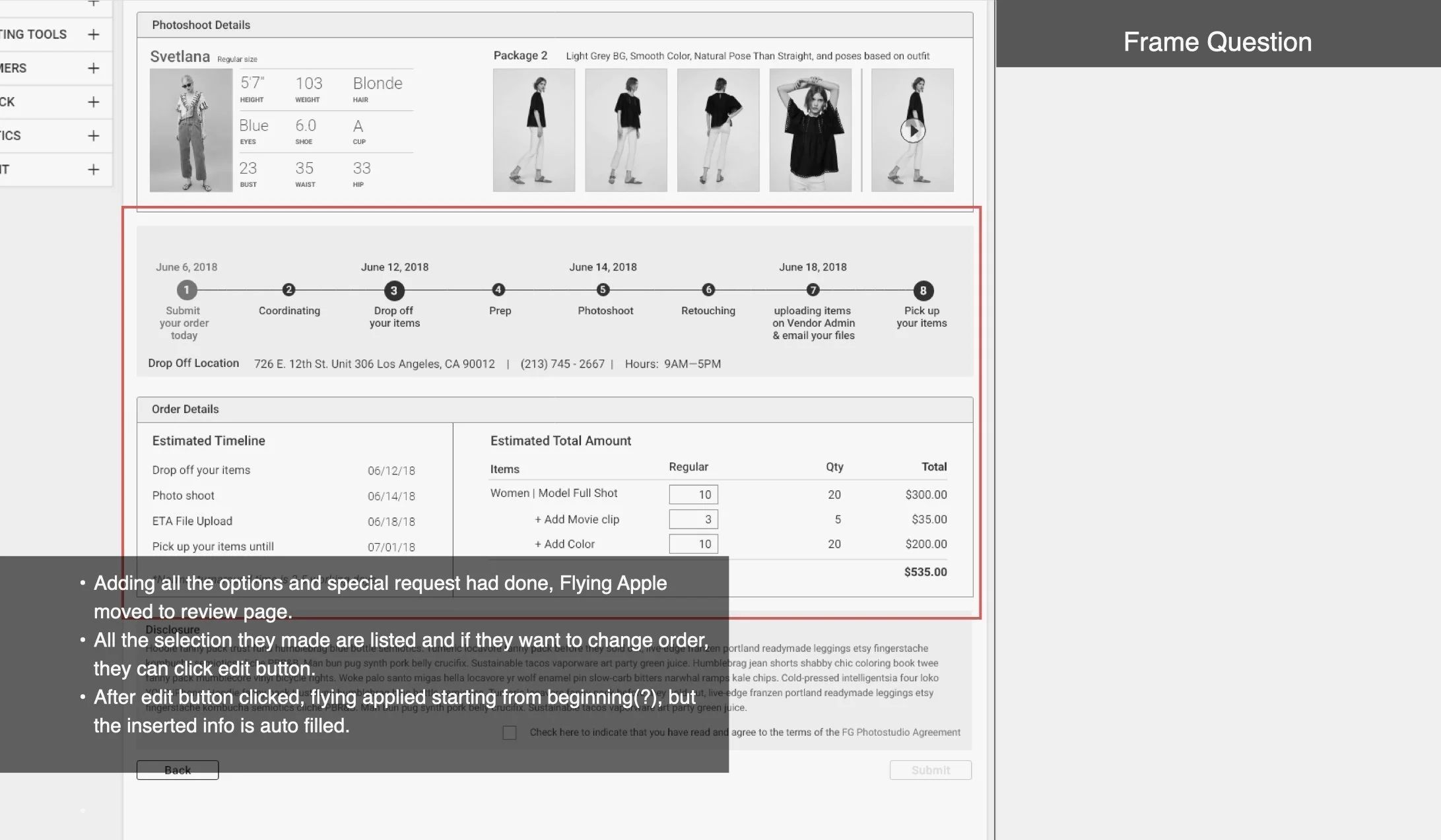
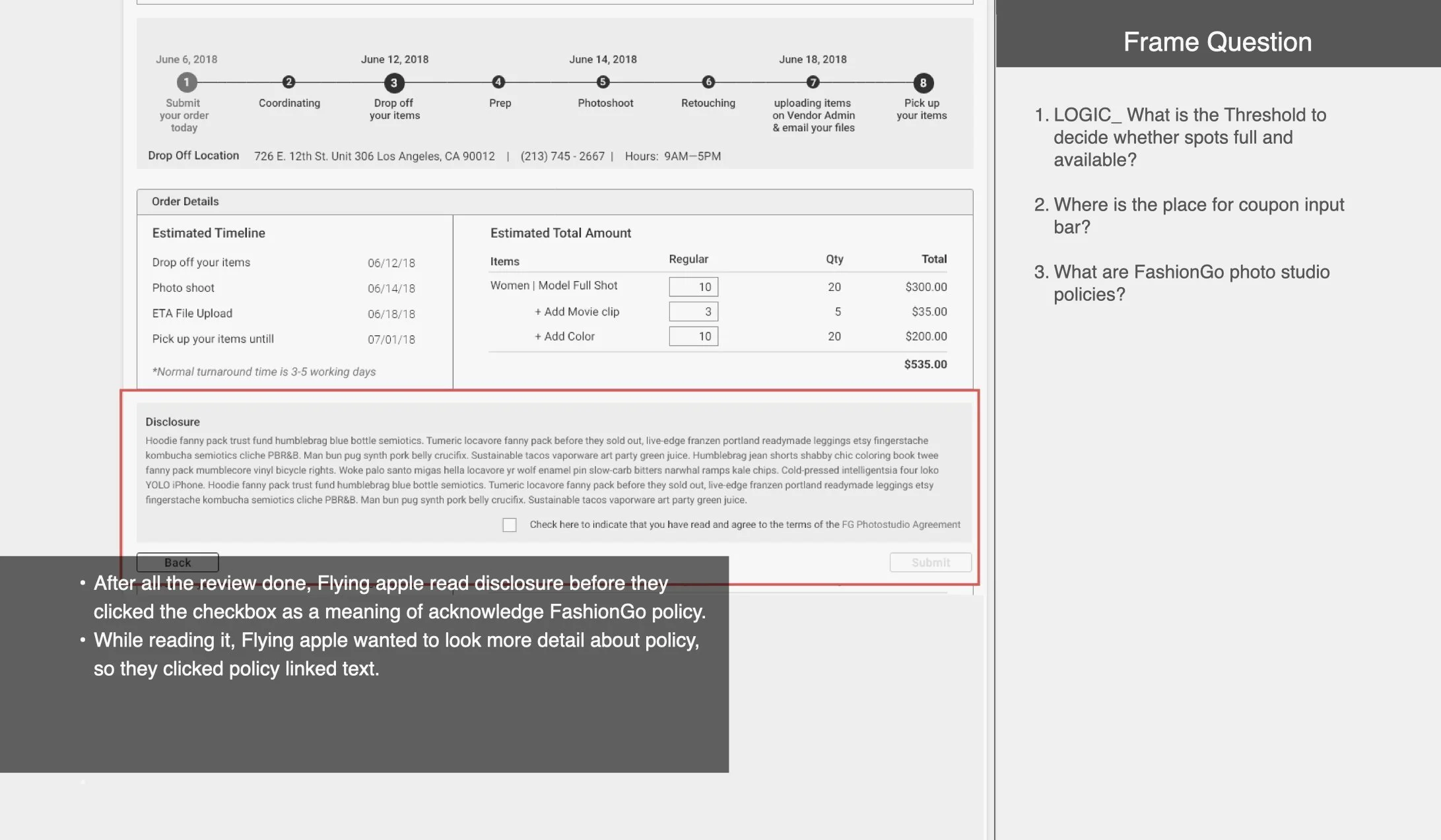
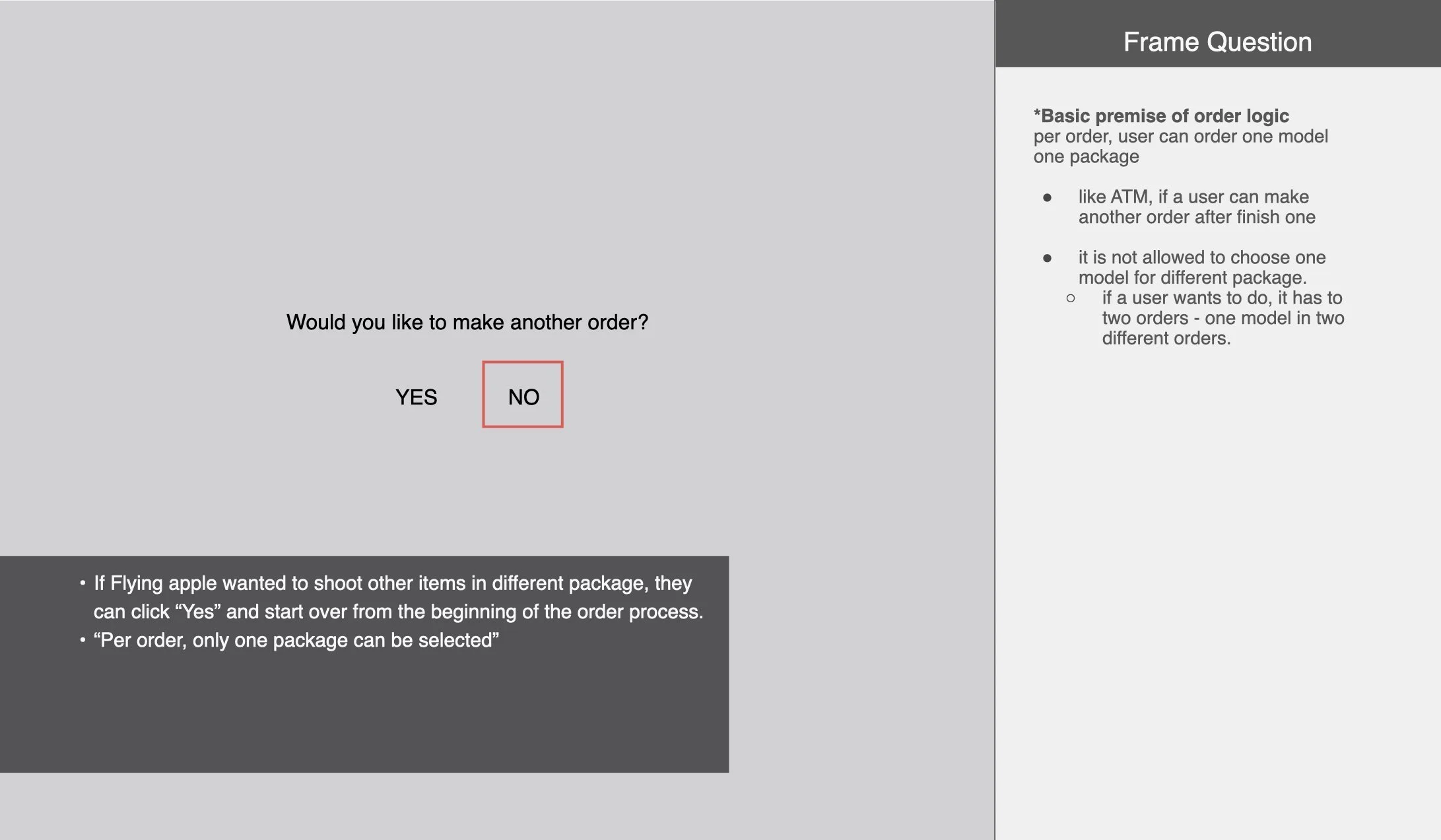
The two most effective tools I use to discover solutions and evaluate their value are the User Journey Map and the User Storyboard. Together, they help me visualize how users might interact with a product by simulating real situations through detailed stories. These storyboards work like predictive models—showing how personas discover a product, engage with it, and potentially return. But before moving forward, every assumption in the story must be validated.
I start with primary research to understand user needs and pain points in real-world contexts. Then I translate those insights into storyboards that demonstrate how the service directly addresses the problem—step by step, from the user’s perspective.
Next, I review each storyboard with cross-functional teams—technical, business, and operations—to turn the narrative into something feasible and actionable. These conversations surface constraints, risks, and missing pieces early, which leads to stronger decisions and clearer execution plans.
As assumptions emerge, I turn them into targeted interview questions and validate them with real users. This cycle—research, story, team review, and validation—ensures that the solution isn’t just compelling in theory, but aligned with what users actually expect and what the organization can realistically deliver.